
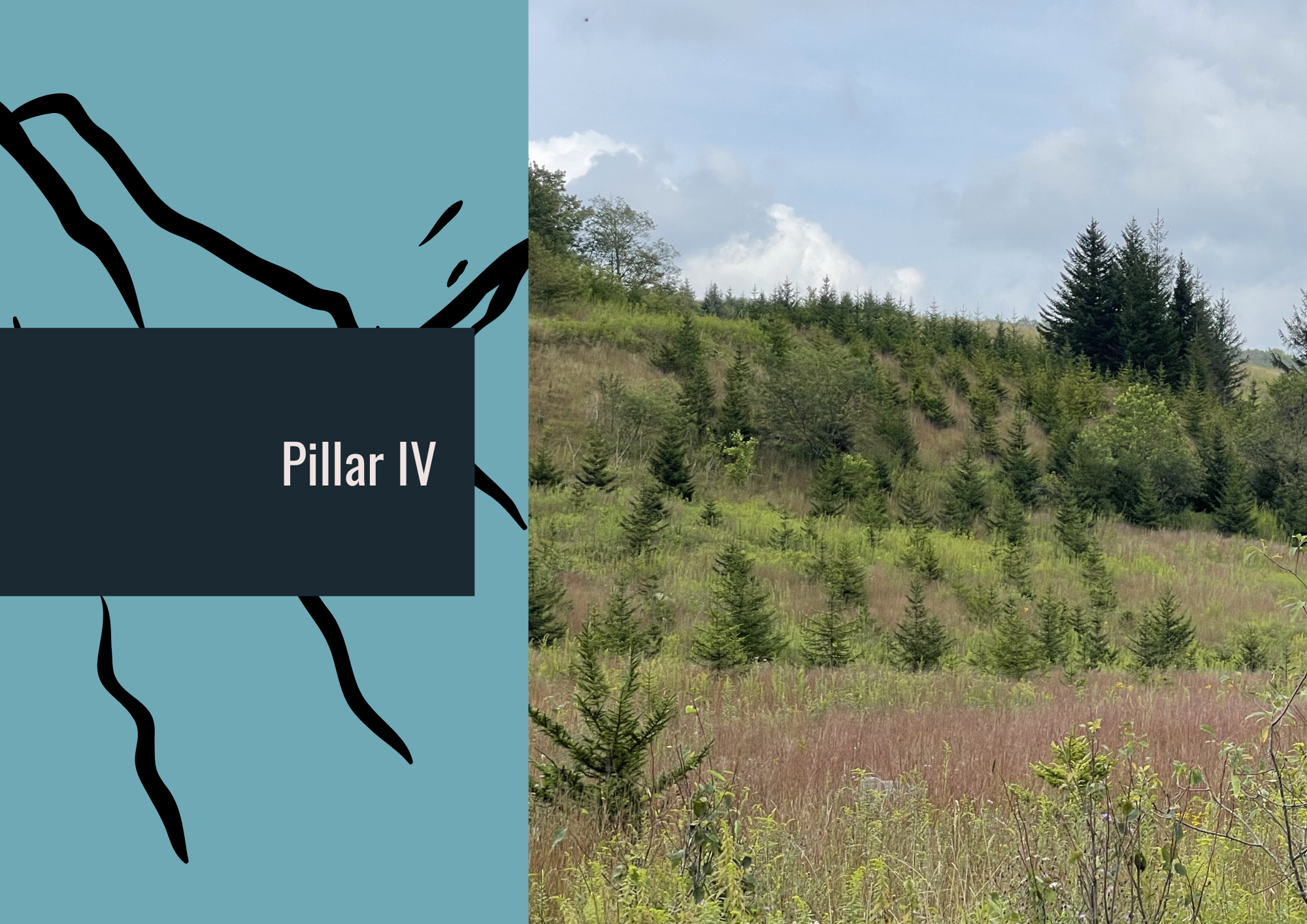
Invest in Nature-Based Hazard Mitigation
Appalachia’s forests, soils, rivers, and floodplains play an important role in reducing flood impacts. Mining, logging, development, and other landscape changes can weaken those natural protections by reducing water absorption, increasing runoff, and destabilizing slopes and streambanks.
Many communities occupy narrow valleys beside rivers and streams, placing homes and infrastructure directly in the path of rising water. Protecting and restoring the surrounding landscape is an essential part of reducing that risk.
Nature-based hazard mitigation can strengthen flood resilience while improving water quality, wildlife habitat, recreation, and local economic opportunities. Effective approaches include restoring mined lands and forests, improving agricultural soils, protecting streamside vegetation, and rehabilitating waterways after disasters.
“The care of the Earth is our most ancient and most worthy, and after all our most pleasing responsibility.”
-Wendell Berry, Appalachian Novelist and Environmental Advocate
Mining Impacts on Flooding
The Appalachian Regional Reforestation Initiative brings together federal and state agencies, scientists, nonprofits, landowners, and industry partners to advance this work. Dedicated funding would allow these efforts to reach more communities and restore more land.
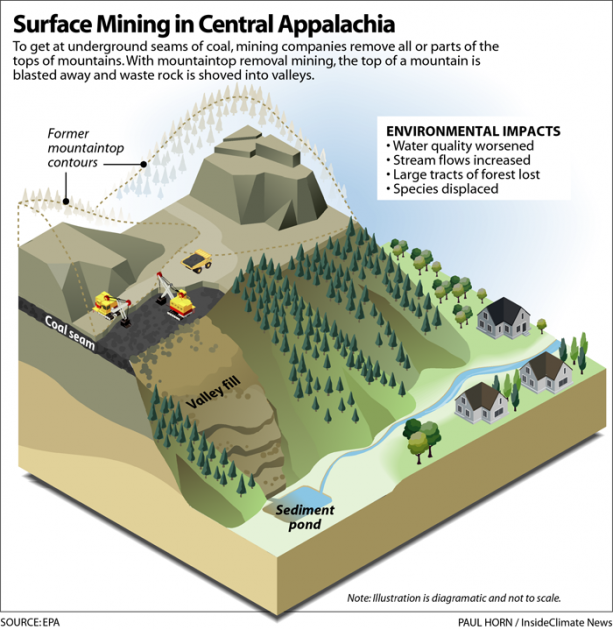
Surface mining has changed how water moves through Appalachian watersheds. Conventional reclamation does not always restore the forests, soils, and hydrologic functions that existed before mining. Compacted soils and conversion to grassland can limit water infiltration and storage, contributing to increased runoff.
The Forestry Reclamation Approach offers a way to restore native hardwood forests on mined land. By reducing compaction and creating conditions for soil development and tree growth, it can help recover ecological functions and improve how reclaimed landscapes manage rainfall.

Logging Impacts on Flooding and Landslides
Forests help stabilize steep slopes through root strength and the uptake of soil moisture. Logging can weaken these protections as roots decay, increasing landslide risks during heavy rainfall.
Landslides can damage homes, block evacuation routes, disrupt utilities, and send sediment and debris into waterways. Forest management should account for slope stability and protect the natural features that help reduce these hazards.
The U.S. Forest Service can support this work by strengthening landslide-related best management practices, incorporating them into national forest plans, and maintaining the scientific and engineering expertise needed to apply them.
Agriculture & Flood Mitigation
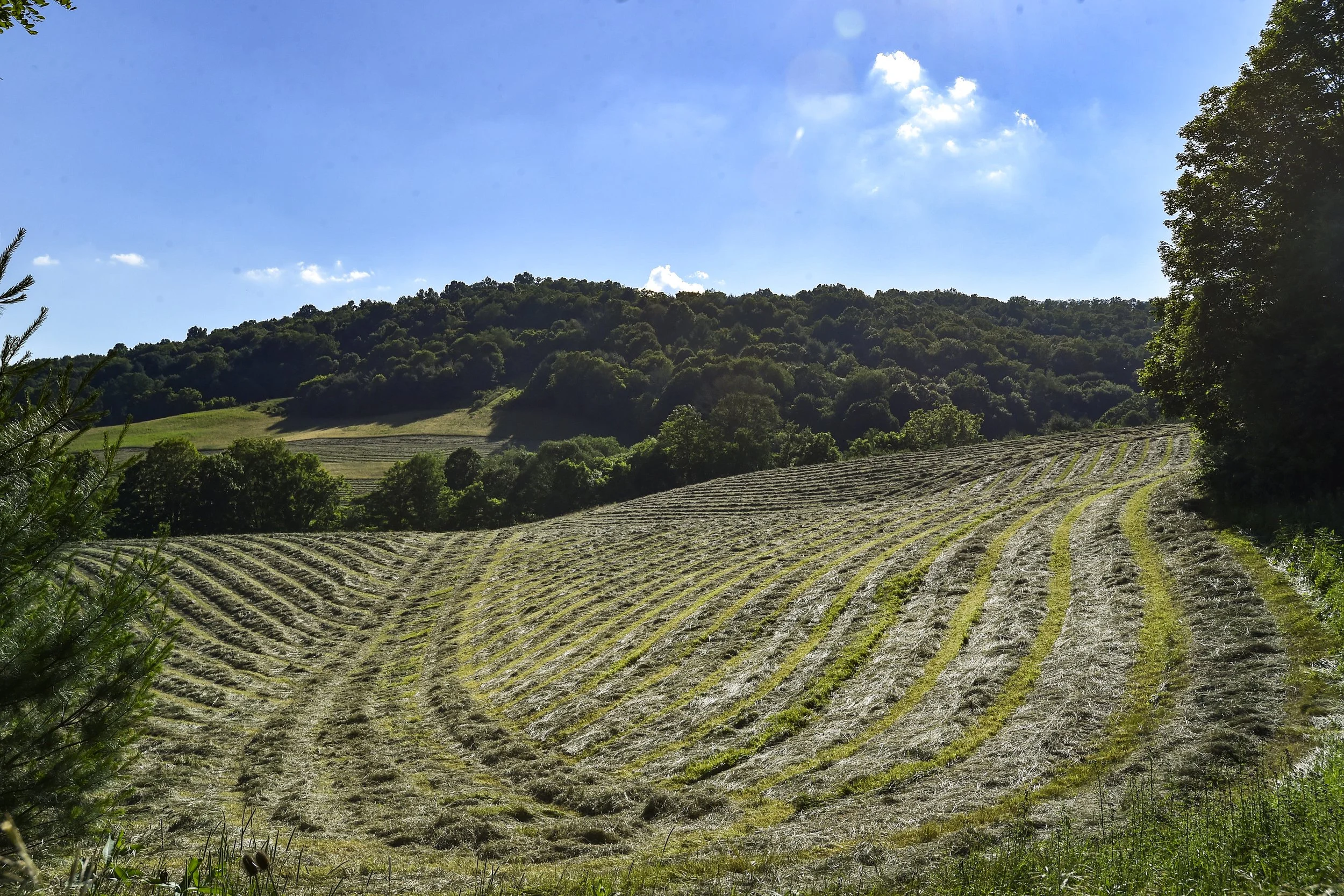
Nearly 30 percent of Appalachia’s land is devoted to agriculture, making farmers important partners in flood resilience. Cover crops, perennial pastures, riparian buffers, and other conservation practices can improve soil health, increase water absorption, and reduce erosion.
USDA conservation programs help farmers adopt these practices through financial and technical assistance. However, demand for assistance has historically exceeded available funding, and effective implementation depends on adequate staffing and support through the Natural Resources Conservation Service.
Investing in these programs can help protect farms and downstream communities while improving water quality and agricultural productivity.
Riverine Debris Cleanup and Stream Restoration
Debris removal after a flood should address immediate hazards while protecting the river’s long-term stability. Excessive removal of trees, root systems, and stable woody material can erode streambanks, damage habitat, and undermine recovery.
Cleanup should distinguish dangerous obstructions and human-made debris from natural features that help stabilize waterways. Regional hydrologic expertise, trained contractors, and independent monitoring can help ensure that work is appropriate for each location.
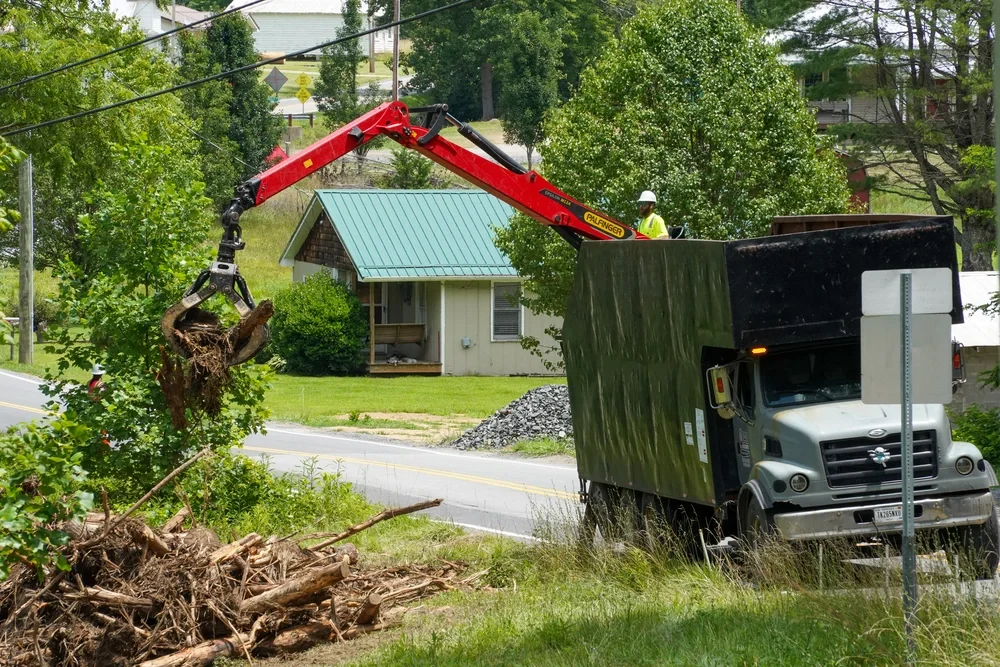
Contracting practices also matter. Payment structures that reward the greatest volume of material removed can encourage unnecessary disturbance. Better oversight and evaluation are needed to ensure that public funds support effective cleanup and lasting resilience.
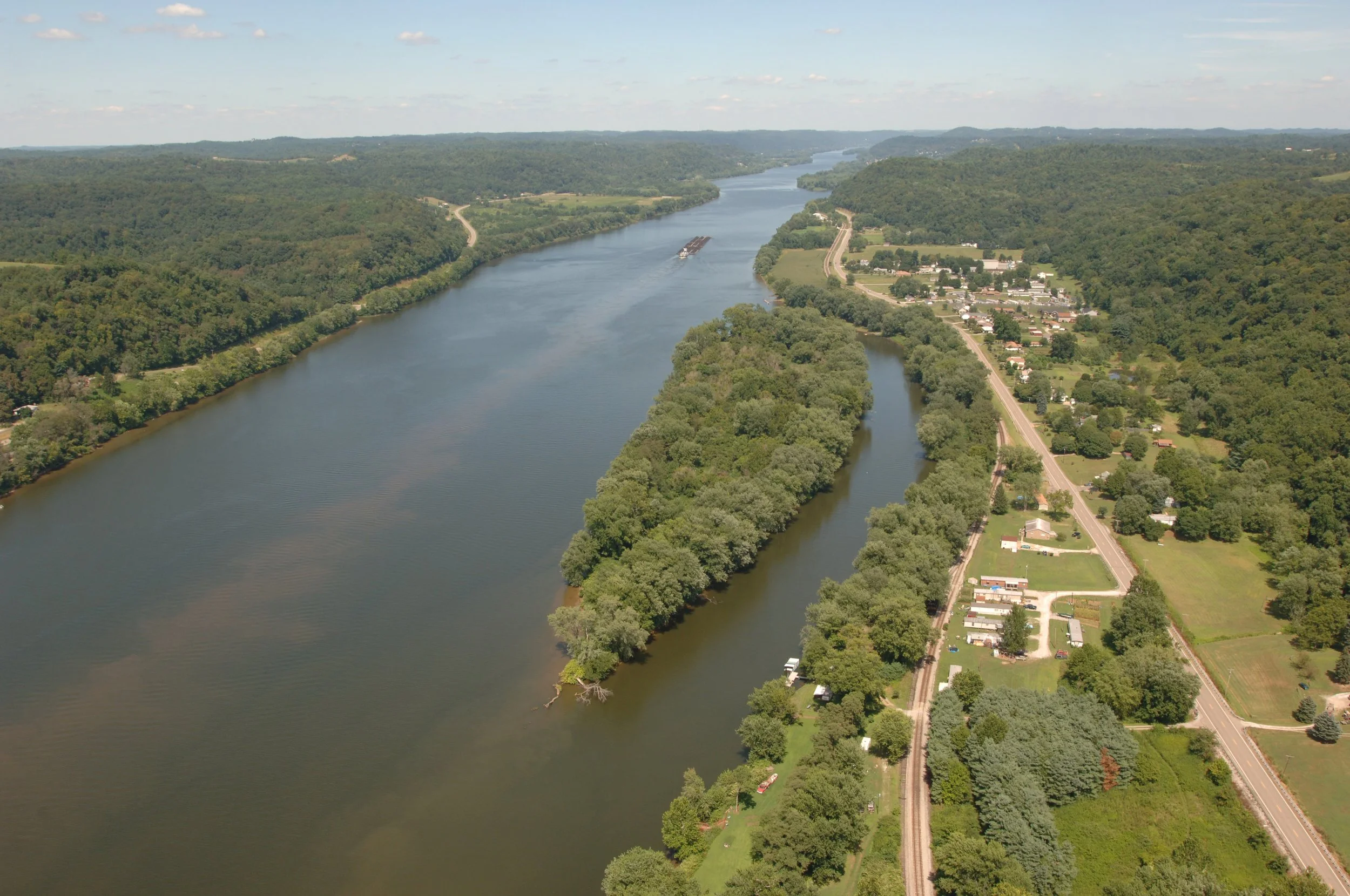
Restoring the Ohio River Basin
Much of Central Appalachia lies within the Ohio River Basin. Restoring its rivers, wetlands, and surrounding landscapes can reduce flood risks while addressing pollution, habitat loss, and water infrastructure needs.
The Ohio River Restoration Program Act offers an opportunity to establish a dedicated federal restoration program for the basin. Sustained investment, regional coordination, and technical assistance would help communities advance restoration projects with multiple public benefits.
Our Recommendations
Strengthening mine reclamation and funding the Appalachian Regional Reforestation Initiative would help restore the landscape’s ability to absorb rainfall. National forests should also adopt stronger landslide-reduction practices.
Increasing USDA conservation funding and technical assistance would help farmers improve soil health and reduce runoff. Prioritizing nature-based projects in federal mitigation programs and state plans, alongside dedicated Ohio River Basin restoration funding, would expand these benefits.
Finally, reforming debris removal practices would help communities address flood hazards while protecting streambanks, habitat, and long-term river stability.