Flood Resilience in North Carolina
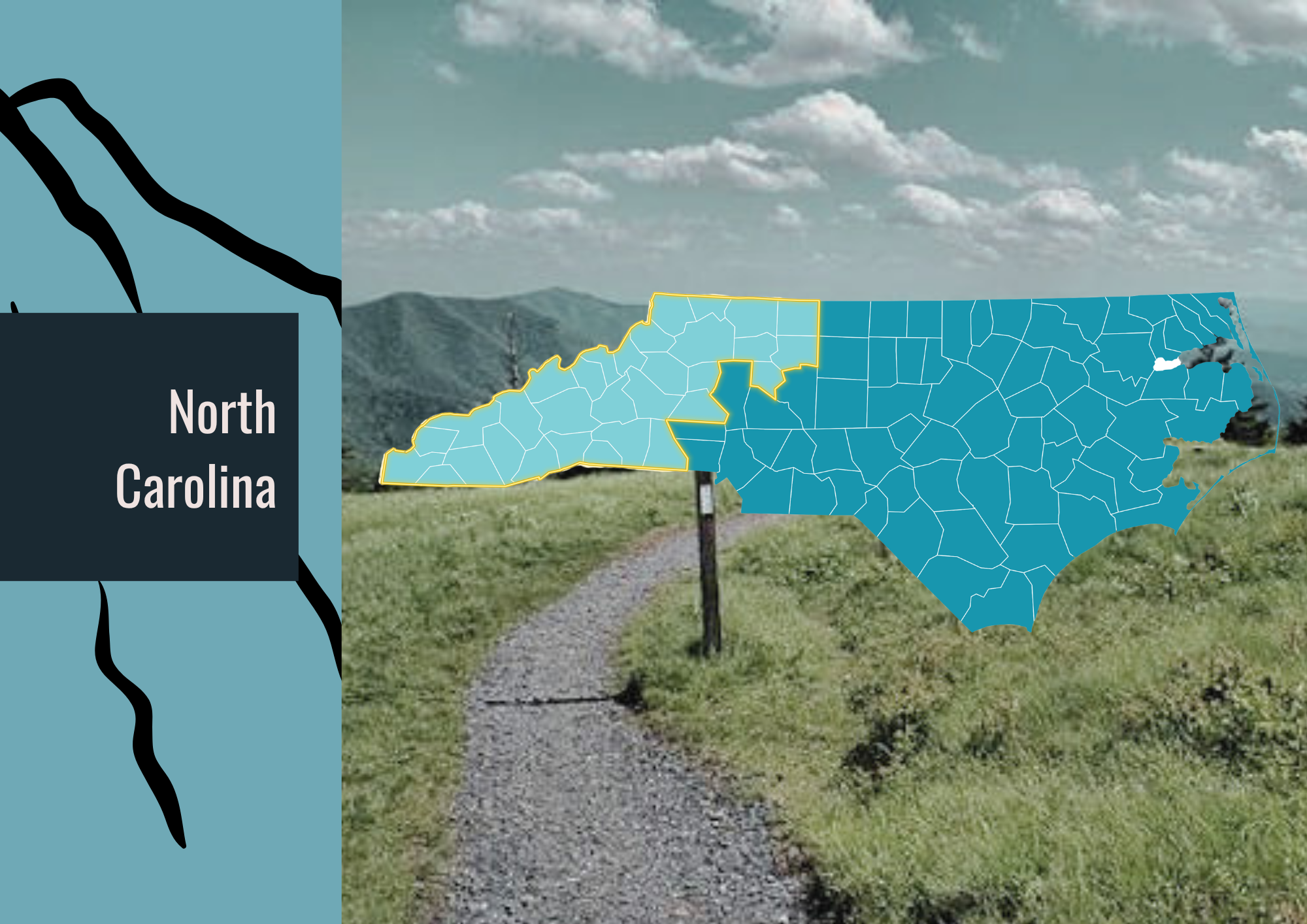
Western North Carolina’s communities face flood risks that are shaped by steep mountain slopes, narrow river valleys, and homes, businesses, roads, and bridges built along waterways. Heavy rainfall can quickly overwhelm mountain streams, while saturated hillsides can trigger landslides and debris flows that compound flood damage. Many rural households depend on privately-maintained roads and bridges, making a single washout enough to cut off access to emergency services, medical care, work, school, and more.
Hurricane Helene brought these vulnerabilities into focus in September 2024. Torrential rainfall fell on already saturated ground, producing catastrophic flooding and landslides across western North Carolina. Communities faced overlapping losses of housing, transportation routes, potable water, electricity, and communications. Damage to private crossings and public infrastructure isolated residents and complicated rescue and relief efforts, demonstrating how failures in one essential system can disrupt an entire region’s ability to respond.
Recovery requires more than replacing what was lost. Restoring affordable homes, rebuilding reliable access routes, and helping small communities to manage complex recovery programs are central to Appalachian North Carolina’s future. Strengthening resilience also means improving flood and landslide information, expanding warning systems that can reach remote communities, and restoring streams, wetlands, and floodplains where they can safely absorb floodwaters. These investments can help residents remain in their communities while reducing the risks posed by future storms.
Flooding in North Carolina - At a Glance
ADD DATA
August 2021: Tropical Storm Fred
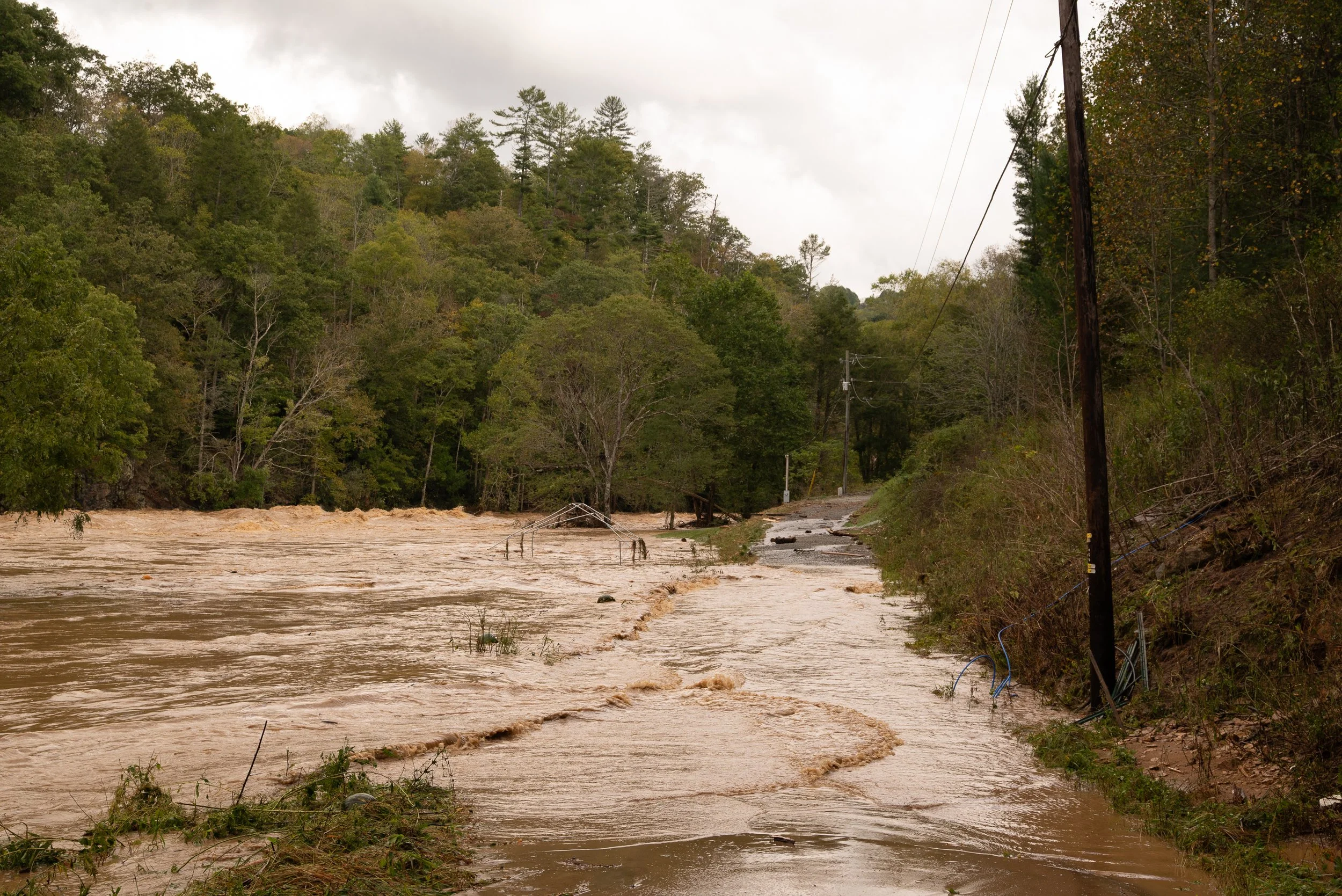
Flooding from Tropical Storm Fred devastated communities along the Pigeon River, particularly Cruso and Canton in Haywood County. Six people died, and the East Fork of the Pigeon River at Cruso exceeded its previous record flood level. A federal major disaster declaration provided assistance to affected households and local governments. For communities struck again by Helene just three years later, Fred illustrates the difficulty of completing recovery and reducing future risks between successive disasters.
September 2024: Hurricane Helene
Helene brought catastrophic flooding and landslides to western North Carolina after days of heavy rain had already saturated the mountains. Homes, businesses, roads, and essential utilities were damaged across the region, while washed-out private bridges and access roads isolated households. A federal major disaster declaration opened recovery assistance, but rebuilding housing, restoring reliable transportation, and repairing water systems became long-term challenges. Helene underscored how interconnected infrastructure failures can overwhelm even communities with experience responding to floods.
Recent Floods and Recovery Challenges
May 2018: Mountain Flooding and Landslides
Weeks of heavy rain, followed by moisture from Subtropical Storm Alberto, produced flooding and landslides across western North Carolina. Damage closed portions of Interstate 40 and prompted evacuations in Old Fort and near Lake Tahoma in McDowell County. State officials reported approximately 175 homes damaged or affected and requested federal assistance for 13 counties. The request for a FEMA major disaster declaration was denied, illustrating the gap that can arise between serious local damage and access to major federal recovery programs.
June 2019: Flooding Across Western North Carolina and the Foothills
Heavy rain from June 7–10 flooded homes and roads, including in Catawba County and surrounding foothill communities. A state disaster declaration supplemented SBA assistance, with coverage extending to counties including Alexander, Burke, and Caldwell. Although less widely remembered than the region’s tropical storms, these floods imposed repair costs on households and communities. They demonstrate how damaging local floods can create recovery needs without a FEMA major disaster declaration.
November 2020: Deadly Flooding in the Appalachian Foothills
Heavy rainfall associated with moisture from Tropical Storm Eta caused deadly flooding on November 12, including at the Hiddenite Family Campground in Alexander County, where six people died. Floodwaters damaged roads, prompted rescues, and disrupted power. Recovery assistance included SBA disaster loans and a state declaration covering Alexander and neighboring counties. The event highlights the vulnerability of foothill communities and the importance of evacuation planning for campgrounds and other places beside rapidly rising streams.
Putting Our Platform to Work in North Carolina
Increase Local and State Capacity to Respond and Recover
Mountain towns and counties must manage complex recovery programs while maintaining everyday public services. The Local Government Helene Recovery Partnership connects western North Carolina communities with regional councils of government, university experts, and statewide local-government associations. Through technical assistance, recovery guidance, and a shared disaster recovery portal, partners help communities navigate funding and implementation requirements. The North Carolina Association of County Commissioners also provides no-cost assistance with disaster finance, grant management, and long-term recovery. These efforts demonstrate why sustained staffing and technical support are essential to turning available funding into completed projects.
Relieve the Recovery and Mitigation Burden for Vulnerable Households
Helene left households facing overlapping costs for home repairs, displacement, and restoring access to their properties. Renew NC’s Single-Family Housing Program addresses remaining storm damage through rehabilitation, reconstruction, replacement, or eligible reimbursement, prioritizing low- and moderate-income households with older adults, children, or people with disabilities. Related rental-housing programs address the loss of affordable places to live. North Carolina’s Private Road and Bridge Program tackles another distinctive mountain recovery barrier: damaged crossings that connect homes to public roads. Together, these programs illustrate the need for assistance that addresses both safe housing and reliable access.
Modernize Flood Mapping, Data, and Warning Systems
Rapidly rising mountain streams require information that helps residents and emergency managers act before access routes are lost. North Carolina’s Flood Inundation Mapping and Alert Network (FIMAN) provides real-time water levels and flood inundation information, while the Adopt a Gauge program offers a way to support local flood monitoring. The North Carolina Geological Survey also maps landslide hazards and documents Helene-related slope failures. Together, these tools address the mountains’ interconnected flood and landslide risks. Expanding monitoring on smaller streams and connecting risk information with reliable local warnings remain important priorities.
Invest in Nature-Based Hazard Mitigation
Restoring space for rivers to spread out can reduce flood risk while protecting habitat and community assets. In 2026, North Carolina announced funding for flood resilience projects in the French Broad River basin, including floodplain restoration along Hominy Creek near Canton’s Chestnut Mountain Nature Park. Led by the Southern Appalachian Highlands Conservancy, the planned project would restore more than four acres and provide additional floodwater storage near the park entrance and U.S. 19/23. North Carolina’s Land and Water Fund also supports floodplain and wetland restoration, illustrating how conservation investments can serve practical flood mitigation goals.
Resilience in Action
Helping Families Repair and Remain in Their Homes
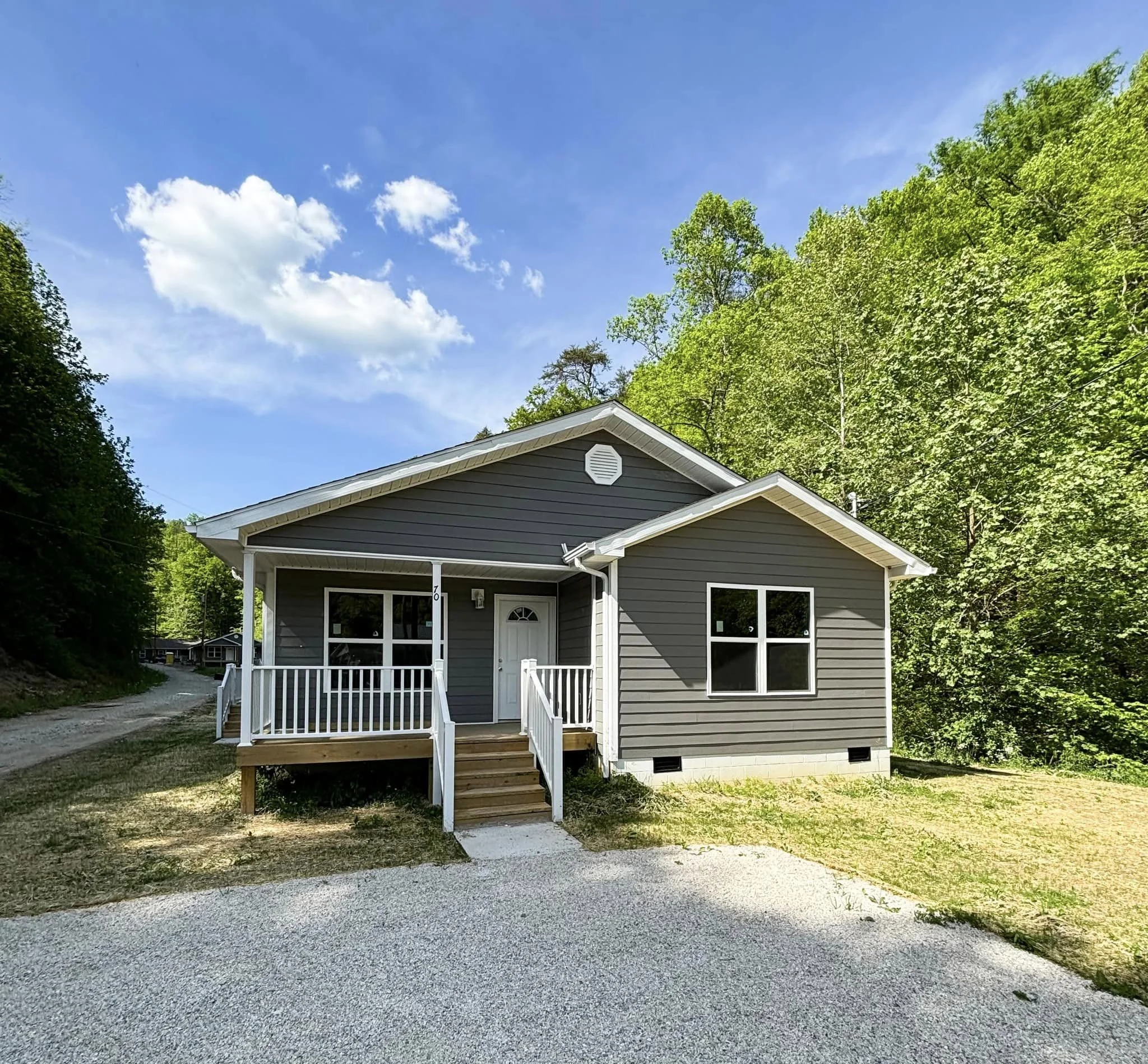
Asheville Area Habitat for Humanity and partners in the Asheville Regional Coalition for Home Repair help households address damage from Hurricane Helene. Their work includes no-cost repairs for qualifying low-income families. By coordinating local repair organizations, this approach connects disaster recovery with preserving affordable housing and helping residents remain safely in their communities.
Explore Asheville Habitat’s Helene recovery work →
Reducing Future Losses Along the Pigeon River
Near Canton, the acquisition of 22 flood-prone structures following the 2004 hurricanes helped reduce damage when Tropical Storm Fred struck in 2021. North Carolina Emergency Management estimated that the earlier buyouts avoided approximately $1.19 million in losses during Fred. This example shows how investments made after one disaster can reduce exposure when the next flood arrives.
Coalition Connections in North Carolina
Alliance for Appalachia
The Alliance for Appalachia connects grassroots organizations working to protect communities, land, and water across the region. Its network includes North Carolina-based Appalachian Voices and SouthWings. As an endorser of the original flood resilience platform, the Alliance brings community organizing experience to regional advocacy for stronger flood protections and recovery resources.
Explore the Alliance for Appalachia →
American Rivers
Amphibian and Reptile Conservancy
The Amphibian and Reptile Conservancy works in western North Carolina to protect mountain wetlands, streams, and vulnerable wildlife. Its Southern Appalachian program includes recovery efforts for the Hickory Nut Gorge green salamander following Helene. This conservation work connects with the coalition’s emphasis on healthy watersheds and natural systems that support long-term resilience.
Explore ARC’s work in western North Carolina →
Appalachia Service Project
Appalachian Trail Conservancy
Appalachian Voices
With an office in Boone, Appalachian Voices combines community organizing, policy advocacy, and reporting on issues affecting mountain communities. Following Helene, its work has included supporting energy resilience and preparedness in western North Carolina. As a coalition steering organization, it connects these local experiences with advocacy for stronger recovery systems and investments that help communities withstand future disasters.
Learn more about Appalachian Voices →
Invest Appalachia
MountainTrue
MountainTrue works across western North Carolina to protect rivers, watersheds, and mountain communities. Its water-quality programs and post-Helene river cleanup efforts connect environmental protection with disaster recovery. MountainTrue also collaborated in the release of ACLC’s Helene recovery report, bringing local perspectives on stream damage, debris removal, and the challenges of rebuilding while protecting rivers.
Explore MountainTrue’s clean-water work →
New River Conservancy
SERCAP
Southern Environmental Law Center
The Southern Environmental Law Center’s Asheville office works on environmental issues affecting western North Carolina. Following Helene, SELC collaborated with ACLC and MountainTrue to share lessons about disaster recovery and preparedness. Its legal and policy perspective helps connect local experiences with the need for stronger government capacity and better protection of communities, rivers, and mountain landscapes.
Resources for North Carolina
ReadyNC — Emergency Preparedness and Information
State preparedness guidance and links to emergency alerts, shelters, road conditions, and flood gauges.
North Carolina Flood Risk Information System
Explore flood hazard maps and property-level information to better understand local flood exposure.
Flood Inundation Mapping and Alert Network
Access real-time water levels, flood inundation information, and customizable alerts from North Carolina’s monitoring network.
Governor’s Recovery Office for Western North Carolina
Find Helene recovery updates, assistance resources, and program information for residents, businesses, and local governments.
Renew NC — Housing and Community Recovery
Information on federally funded programs addressing housing, infrastructure, and economic recovery needs following Helene.
North Carolina Geological Survey — Landslide Hazards
Maps and guidance on landslide hazards, including slope failures associated with Helene in western North Carolina.
Pisgah Legal Services — Disaster Recovery
Legal assistance for eligible western North Carolina residents navigating disaster assistance, appeals, and other recovery-related challenges.
Help Build a More Flood-Resilient North Carolina
Are you working on flood recovery, watershed restoration, housing, emergency preparedness, or community resilience in North Carolina? Reach out to us to share your community’s experience, inform policy priorities, and strengthen regional advocacy.