Flood Resilience in Pennsylvania
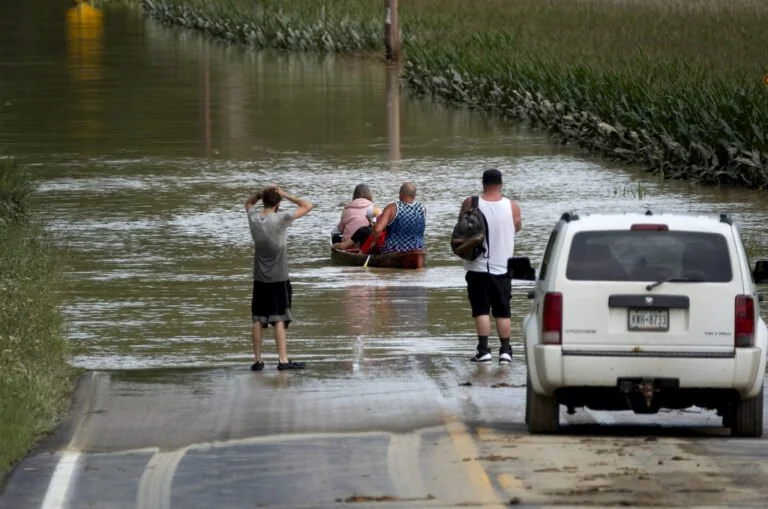
Appalachian Pennsylvania’s communities face flooding across western river valleys, central mountain towns, and the Northern Tier. Along the Allegheny, Monongahela, and Susquehanna river systems, homes, businesses, and transportation routes share limited valley space with waterways. Heavy rainfall can overwhelm small tributaries and stormwater systems as well as larger rivers. Flooding from Tropical Storm Debby’s remnants in August 2024 devastated communities in northern Pennsylvania, demonstrating how smaller waterways can cause severe damage even when larger rivers remain below flood stage.
Recovery requires restoring homes alongside the roads, bridges, and essential services that connect communities. Following Debby, residents in Lycoming, Potter, Tioga, and Union counties became eligible for federal household assistance, while recovery organizations helped families navigate immediate needs and available support. Affordable repairs, temporary housing, and assistance reaching residents with limited resources are essential to preventing a flood from becoming a lasting housing crisis.
Pennsylvania’s boroughs and townships also need resources to address flood risks that extend beyond municipal boundaries. In the Pittsburgh region, watershed organizations combine stream restoration with rain gardens, tree planting, and other projects that manage stormwater where it falls. Connecting these efforts with upstream land conservation, resilient infrastructure, and sustained local staffing can help communities reduce future damage. Long-term investment in municipal capacity and watershed partnerships can support both recovery and preparedness across Appalachian Pennsylvania.
Flooding in Pennsylvania - At a Glance
ADD DATA
Recent Floods and Recovery Challenges
August 2024: Tropical Storm Debby
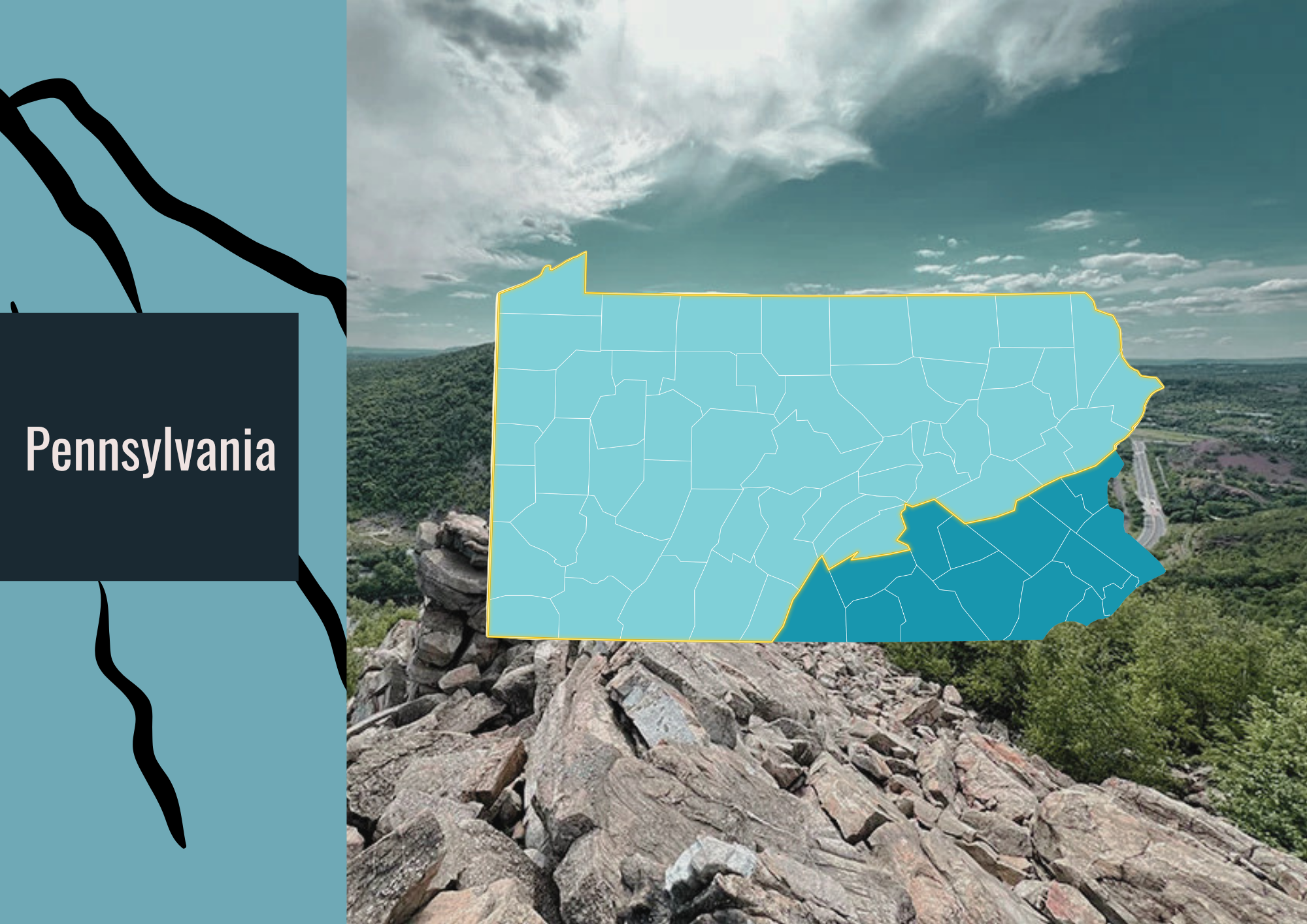
Debby’s remnants caused destructive flooding across northern Pennsylvania, with particularly severe impacts along the Cowanesque River near Westfield in Tioga County. Federal household assistance was approved for Lycoming, Potter, Tioga, and Union counties. The disaster demonstrated how intense rainfall can devastate smaller waterways even when larger rivers remain below flood stage.
July 2026: Flash Flooding in Blair County
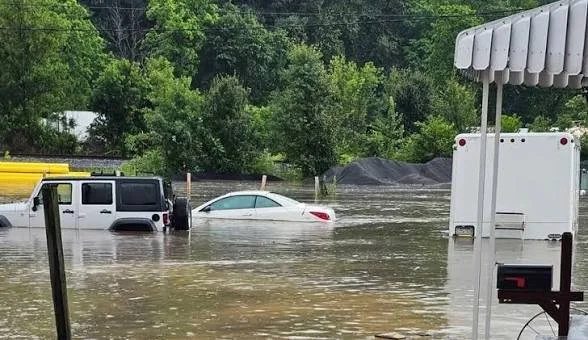
Heavy rainfall on July 5–6 damaged homes, businesses, and infrastructure in Tyrone and surrounding communities. State and local agencies organized a multi-agency resource center to help residents navigate insurance, recovery assistance, disability-related support, and repair-scam concerns. The response illustrates why accessible, coordinated recovery services are essential after localized floods.
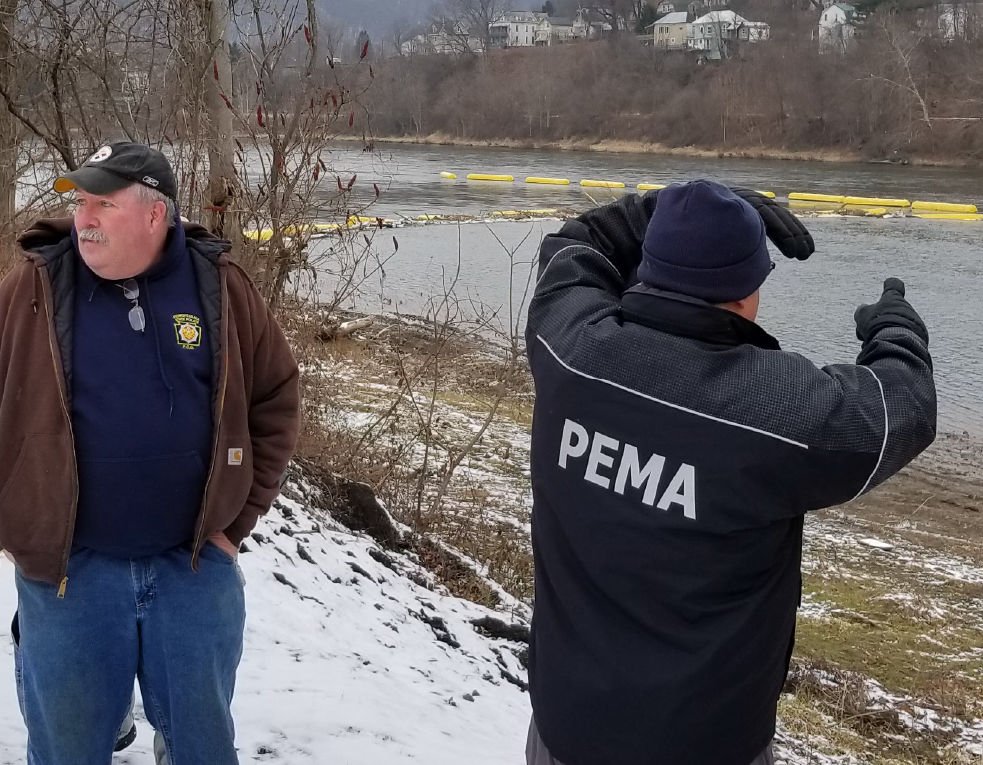
Credit: Pennsylvania Emergency Management Agency
A PEMA hazard mitigation team member surveys a waterway as part of Pennsylvania Silver Jackets’ collaborative flood-risk work.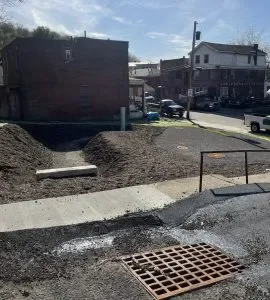
Credit: UpstreamPgh
UpstreamPgh’s Dornbush Street project directs runoff into rain gardens and underground storage in Pittsburgh’s East Hills neighborhood.Putting Our Platform to Work in Pennsylvania
Increase Local and State Capacity to Respond and Recover
Pennsylvania Emergency Management Agency’s hazard mitigation planning resources and the Pennsylvania Silver Jackets partnership help communities identify flood hazards and coordinate expertise across agencies. Turning these resources into local projects requires sustained staffing and technical assistance, especially for small boroughs and townships. Supporting grant administration, coordination across municipal boundaries, and infrastructure planning—and reducing matching-fund and reimbursement barriers—can help Appalachian Pennsylvania communities prepare while maintaining everyday services.
Relieve the Recovery and Mitigation Burden for Vulnerable Households
Pennsylvania’s federally funded recovery effort following Tropical Storm Debby includes a $14.62 million Community Development Block Grant–Disaster Recovery allocation to address long-term unmet needs. This investment provides an opportunity to connect recovery with safer housing and infrastructure in affected northern Pennsylvania communities. Accessible applications, disaster case management, and affordable options for repairing, rebuilding, or relocating remain essential, particularly for renters, older adults, people with disabilities, and households with limited savings.
Modernize Flood Mapping, Data, and Warning Systems
The Pennsylvania Flood Risk Tool brings together flood data, roads, aerial imagery, and available parcel information to help residents and local officials understand their exposure. Users can generate property reports to inform conversations about preparedness, insurance, and development. Continued investment in small-stream monitoring, rainfall observations, and updated mapping can strengthen this foundation, alongside reliable warnings that address flash flooding and reach residents when power or cellular service fails.
Invest in Nature-Based Hazard Mitigation
Pennsylvania’s Growing Greener program supports watershed restoration, including funded stream and floodplain projects in the French and Oil Creek watersheds and streamside planting in Indiana County. These efforts provide a foundation for connecting cleaner water and healthier habitats with flood resilience. Expanding floodplain reconnection, wetland protection, forest restoration, and green stormwater infrastructure can help communities manage runoff, with projects designed for local conditions and evaluated for their downstream effects.

Resilience in Action
Managing Rain Where It Falls
UpstreamPgh’s work in the Pittsburgh area combines watershed restoration with rain gardens, tree planting, and other green stormwater infrastructure. These projects help manage runoff while improving neighborhood environments and stream health. Its planning approach also considers where investments can benefit residents facing the greatest environmental burdens.
Explore UpstreamPgh’s projects →
Connecting Water Research With Community Action
The University of Pittsburgh’s Water Collaboratory brings researchers, local governments, nonprofits, and community groups together to address regional water challenges. Its report, Flooding in Southwestern Pennsylvania: Knowledge Gaps and Approaches, drew on discussions with regional partners to identify research and information needs. This work connects scientific expertise with the practical challenges communities face in understanding and reducing flood risk.
Explore the Pittsburgh Water Collaboratory →
Working Together Across Watersheds
Three Rivers Waterkeeper and the Pittsburgh Water Collaboratory have joined Watersheds of South Pittsburgh, UpstreamPgh, and other regional organizations in early planning discussions through the Three Rivers Urban Watersheds Council. These conversations connect water-quality protection with water-quantity challenges, creating opportunities to coordinate research, community engagement, and watershed planning across organizational boundaries.
Resources for Pennsylvania
Ohio Emergency Management Agency
Provides statewide preparedness information and connections to emergency management services. Residents and community organizations can use its county EMA directory to find local contacts for disaster information and coordination.
Ohio Department of Natural Resources: Floodplain Management Program
Assists communities with floodplain management and participation in the National Flood Insurance Program. The program also coordinates flood-loss reduction efforts and maintains flood information to support local planning and development decisions.
Explains the flood maps and studies used by Ohio communities to identify mapped hazards and administer floodplain requirements. Property owners and local officials can use these resources when discussing flood risk, insurance, and proposed development.
Connects residents with food, housing, utility assistance, transportation, disaster services, and other community resources. Help is free and confidential; residents can call 211 or use the website to find the center serving their county.
Ohio Floodplain Management Association
Provides a professional network focused on flood hazards and floodplain management. Local officials, planners, and practitioners can use the association’s educational resources and professional connections to strengthen their understanding of flood risk reduction.
Provides river education, habitat restoration, and opportunities for community involvement across the Ohio River watershed. Its programs help residents learn about watershed conditions and participate in efforts to protect and restore local waterways.
Coalition Connections in Pennsylvania
Eastern Pennsylvania Coalition for Abandoned Mine Reclamation
EPCAMR works with communities and partners to reclaim abandoned mine lands and restore waterways affected by historic mining. Its reclamation, watershed stewardship, and environmental education efforts connect healthier landscapes with the needs of Pennsylvania’s coalfield communities. As a federal flood platform endorser, it brings mine reclamation experience to broader discussions about Appalachian resilience.
Explore EPCAMR’s reclamation and watershed work →
Keystone Research Center
Keystone Research Center provides research and policy analysis focused on building a more prosperous and equitable Pennsylvania economy. Its endorsement of the federal flood platform connects that mission with Appalachian flood resilience. Its economic perspective helps frame recovery and mitigation investments as opportunities to strengthen local employment, public services, and community stability.
Explore Keystone Research Center’s work →
Ohio River Valley Institute
Ohio River Valley Institute researches economic and environmental challenges across Pennsylvania and neighboring Appalachian states. In partnership with Appalachian Citizens’ Law Center, it has documented housing damage, rebuilding costs, and recovery funding gaps following Eastern Kentucky’s 2022 floods. This research offers regional lessons for affordable housing recovery and investment in communities facing repeated disasters.
Read ORVI’s flood recovery research →
Pasa Sustainable Agriculture
Pasa Sustainable Agriculture supports farmers through education, collaborative research, and practical approaches to land stewardship. Its Soil Health Benchmark Study helps farmers assess soil conditions and compare management practices with peer farms. As a federal flood platform endorser, Pasa connects agricultural livelihoods and soil health with broader efforts to strengthen the resilience of rural communities.
Explore Pasa’s soil health research →
PennFuture
PennFuture advances policies that protect Pennsylvania’s water, land, and climate through advocacy, education, and legal work. At the federal flood platform’s launch, it called for agricultural policies that strengthen conservation and flood mitigation. Its involvement connects statewide environmental advocacy with investments that help farms and Appalachian communities prepare for increasingly disruptive flooding.
Coalition Connections in Pennsylvania
ReImagine Appalachia
ReImagine Appalachia connects regional flood resilience with land restoration, local employment, and economic opportunity. As an AFRC steering organization, it helps advance policies that support communities, workers, and the natural systems on which the region depends.
Explore ReImagine Appalachia →
Three Rivers Waterkeeper
Three Rivers Waterkeeper protects water quality in the Allegheny, Monongahela, and Ohio rivers and their watersheds. Through scientific and legal advocacy, it helps communities address pollution and protect the waterways that connect western Pennsylvania to the wider Ohio River Basin.
Explore Three Rivers Waterkeeper →
University of Pittsburgh Water Collaboratory
The Pittsburgh Water Collaboratory connects researchers, local governments, nonprofits, and community groups to address regional water challenges. Its work on flooding in southwestern Pennsylvania identifies gaps in watershed information and opportunities for coordinated research and planning. This research connection brings scientific expertise and community priorities together to inform local approaches to flood resilience.
Explore the Pittsburgh Water Collaboratory →
UpstreamPgh
UpstreamPgh works to improve urban water systems through stream restoration, stormwater projects, public education, and advocacy. Its experience in the Nine Mile Run watershed provides practical examples of connecting neighborhood improvements with healthier waterways and reduced stormwater impacts.
Help Build a More Flood-Resilient Pennsylvania
Are you working on flood recovery, watershed restoration, housing, emergency preparedness, or community resilience in Pennsylvania? Reach out to us to share your community’s experience, inform policy priorities, and strengthen regional advocacy.
Connect with the Coalition → (ADD LINK)