Flood Resilience in Tennessee
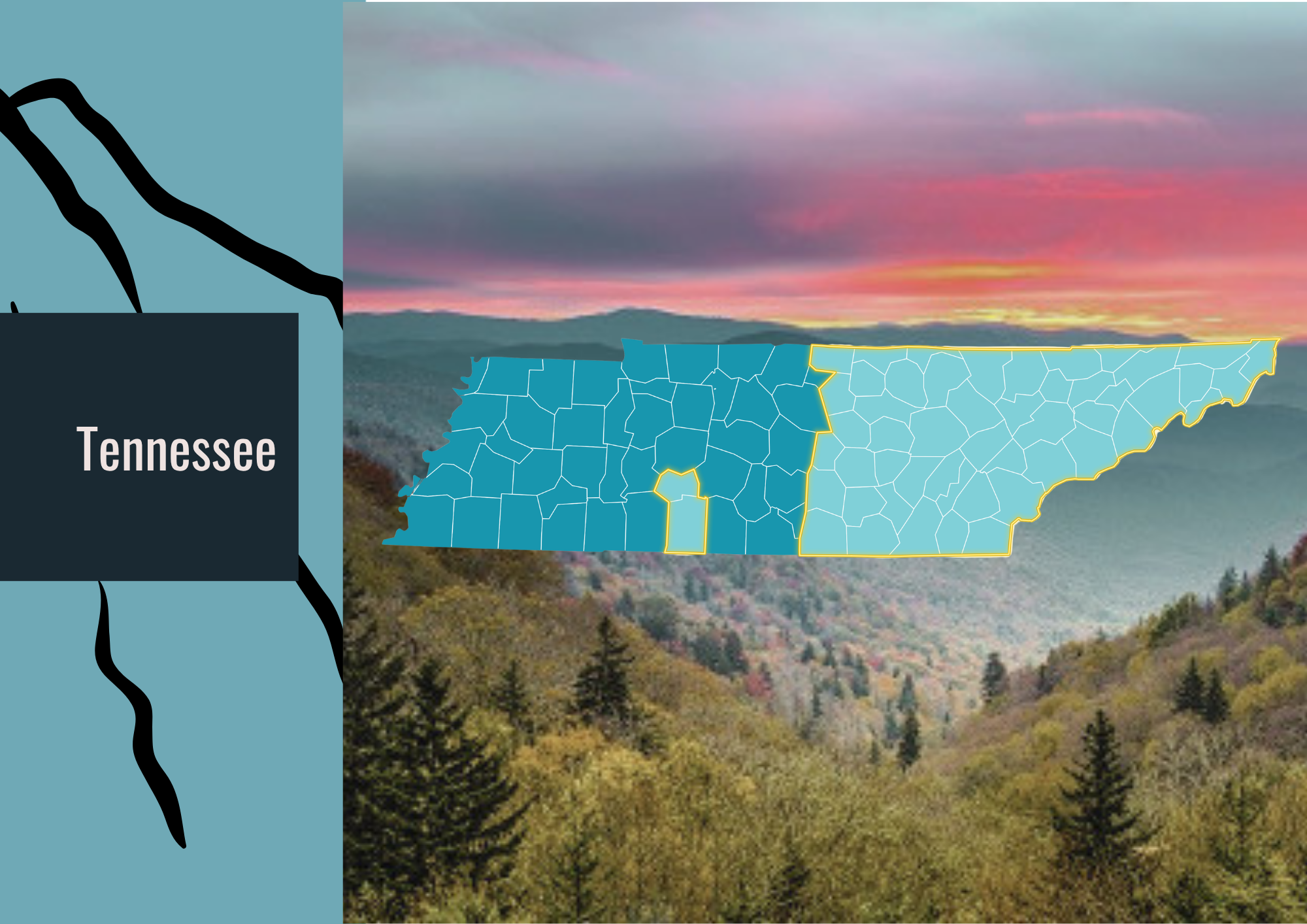
East Tennessee’s communities face flood risks shaped by steep mountain watersheds, narrow valleys, and public infrastructure concentrated along floodprone rivers and streams. The region’s rivers connect communities across state lines; heavy rain in western North Carolina can produce dangerous flooding downstream in Tennessee. Rapid runoff, damaged crossings, and limited alternative routes can isolate neighborhoods and interrupt access to essential services.
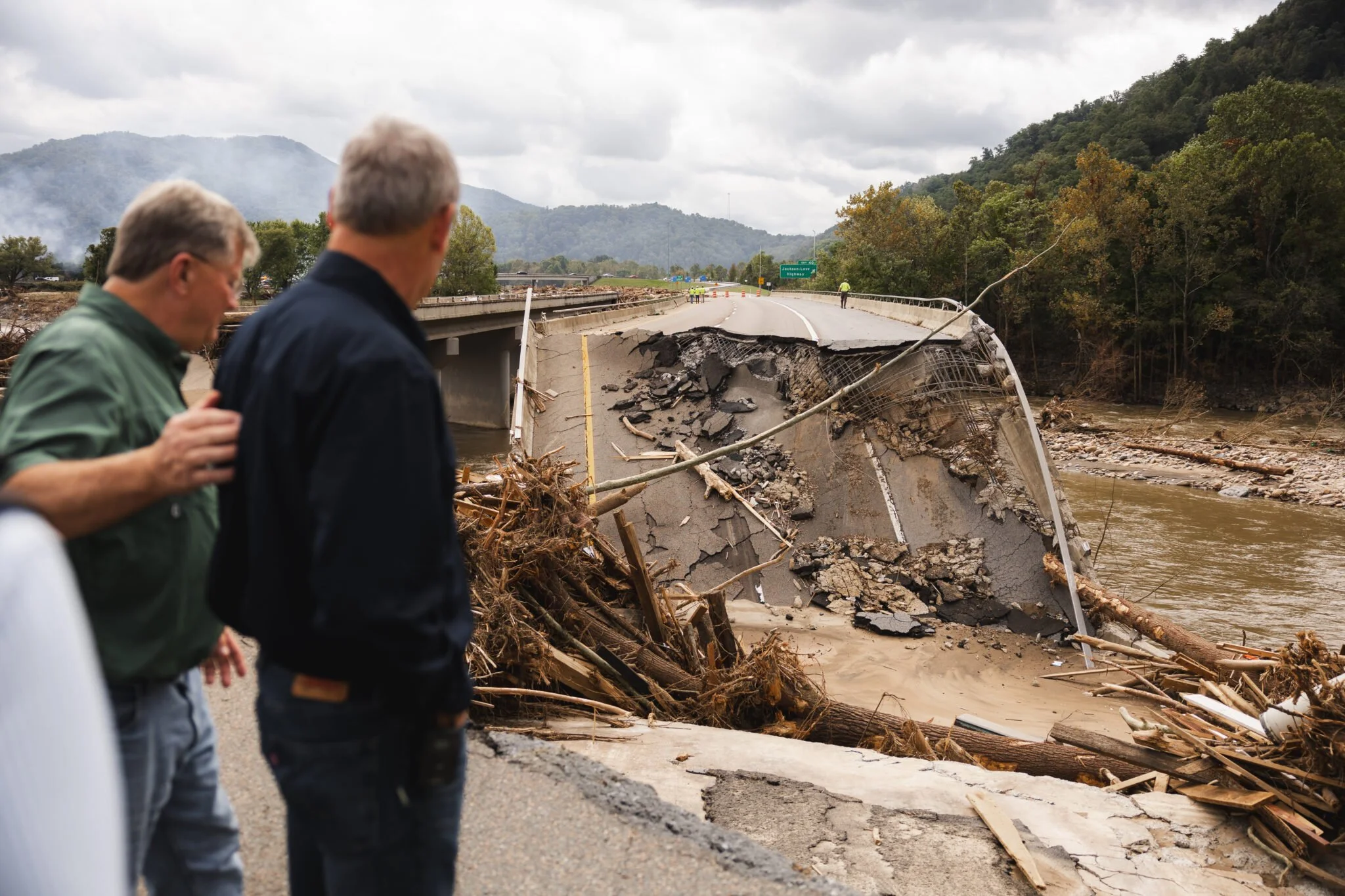
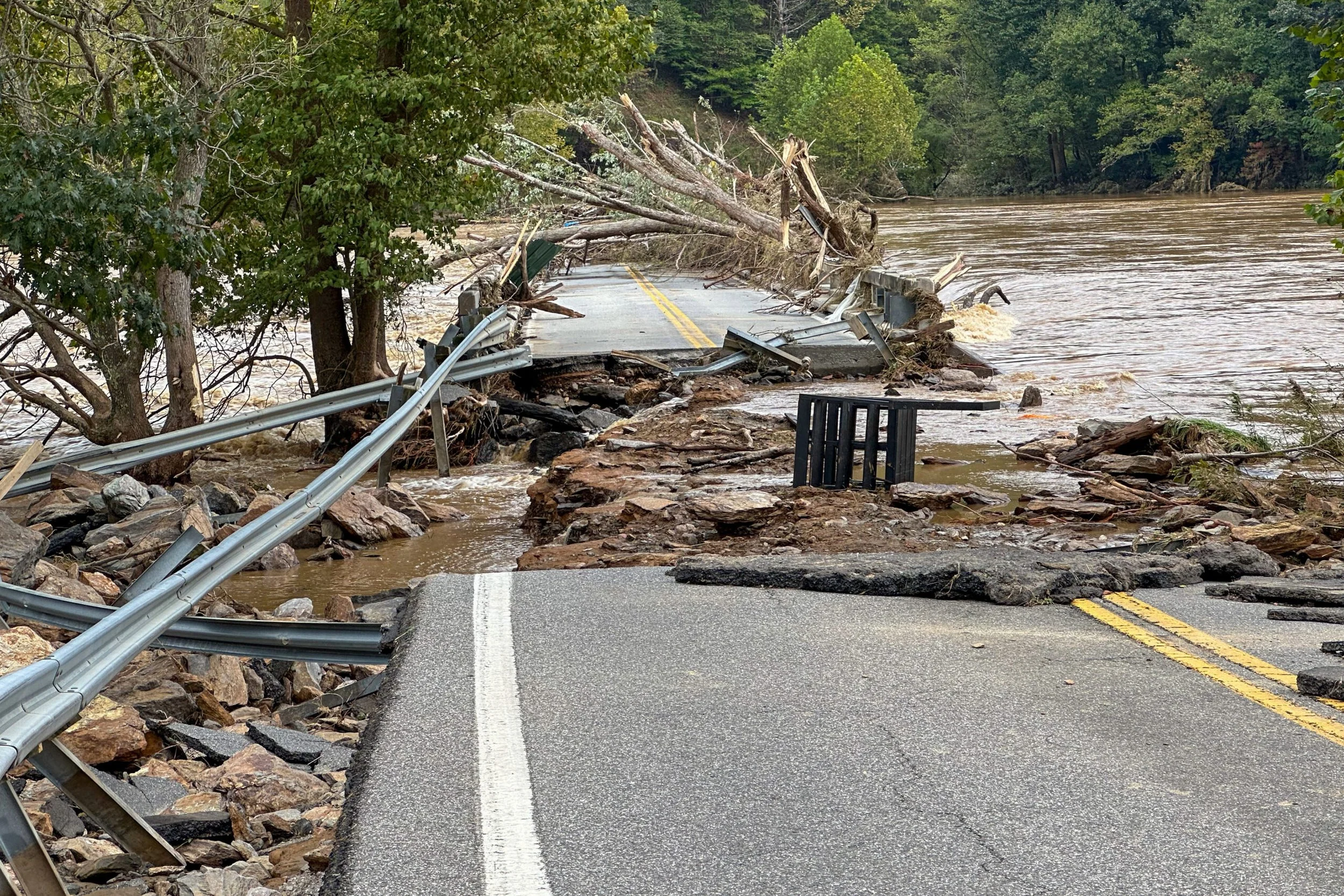
Hurricane Helene exposed these vulnerabilities in September 2024, bringing catastrophic flooding to northeast Tennessee. Communities along mountain rivers experienced overlapping damage to housing, transportation, utilities, and local businesses. In some counties, such as Carter, Cocke, Greene, Johnson, Unicoi, and Washington, rebuilding roads and bridges became inseparable from restoring residents’ access to homes, jobs, schools, and medical care.
Strengthening resilience requires both immediate recovery support as well as sustained investment before the next storm. Affordable housing, reliable water systems, stronger local staffing, and accessible flood information are essential to that work. Protecting and restoring streams, wetlands, and floodplains can complement infrastructure improvements, while coordination across watersheds can help communities prepare for floodwaters that originate beyond their own county or state.
Flooding in Tennessee - At a Glance
ADD DATA
Recent Floods and Recovery Challenges
August 2023: Monroe County Flooding
Flooding on August 14–15 damaged homes and businesses in Monroe County. An SBA disaster declaration made recovery loans available in Monroe and neighboring counties, with an assistance center established in Tellico Plains. This was a separate recovery pathway from FEMA’s major disaster programs. The event illustrates how localized flooding can create substantial household and business needs, and why recovery options must account for families who cannot readily take on additional debt.
September 2024: Hurricane Helene
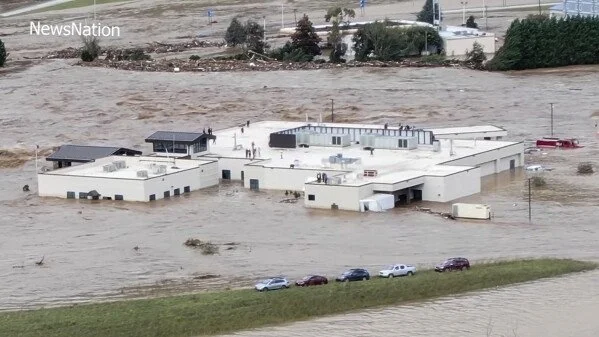
Helene produced historic flooding across northeast Tennessee after heavy rain had already saturated the southern Appalachians. Extreme rainfall in upstream North Carolina watersheds contributed to destructive flows into Tennessee, damaging communities and transportation corridors. A federal major disaster declaration, FEMA DR-4832, was issued on October 2, 2024. Recovery has required rebuilding homes, repairing utilities, and restoring roads and bridges—work that demonstrates how damage to essential infrastructure can prolong displacement and disrupt an entire region’s economy.
Putting Our Platform to Work in Tennessee
Increase Local and State Capacity to Respond and Recover
Small communities need financial flexibility and technical support to begin recovery while navigating reimbursement programs. After Helene, Tennessee established the Helene Emergency Assistance Loans program to help eligible communities address water and wastewater damage and dangerous debris removal. The program illustrates the importance of providing resources early, when local budgets are under the greatest pressure. Pairing financial assistance with trained staff, regional coordination, and grant-management support can help communities maintain services while undertaking complex rebuilding projects.
Relieve the Recovery and Mitigation Burden for Vulnerable Households
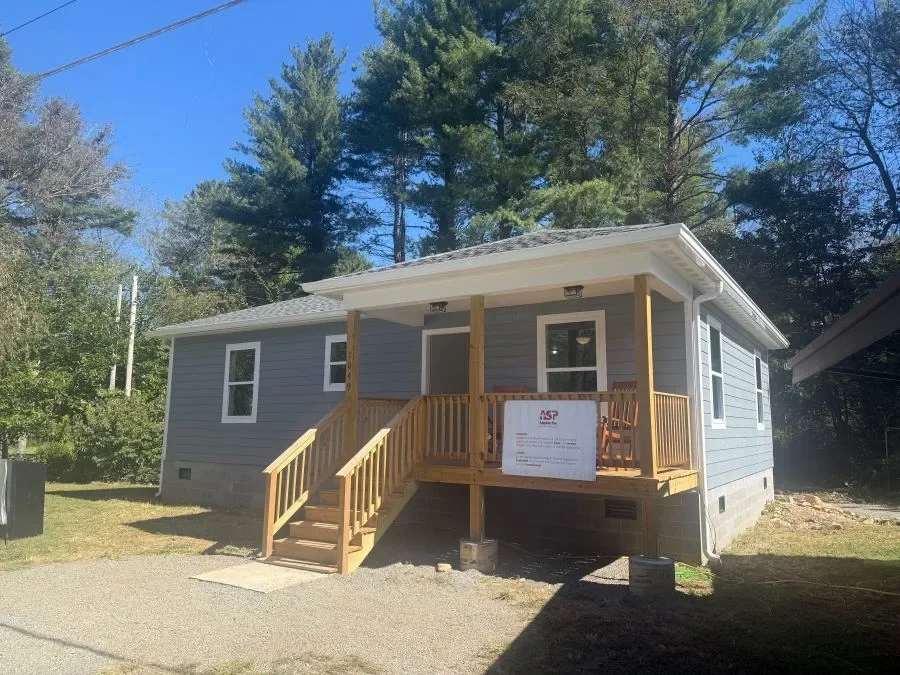
Flood recovery is especially difficult when households lack savings, insurance coverage, or affordable replacement housing. Appalachia Service Project provides repairs and replacement homes for income-eligible households and has worked with partners to rebuild after Helene in East Tennessee. Tennessee’s Community Development Block Grant–Disaster Recovery program also provides a framework for addressing long-term disaster needs. These efforts highlight the importance of connecting immediate repairs with durable housing solutions that families can afford.
Modernize Flood Mapping, Data, and Warning Systems
Helene demonstrated why East Tennessee needs flood information that accounts for entire watersheds, including rainfall upstream in North Carolina. TEMA’s flood-mapping resources connect residents and local officials with official flood maps and property information, while National Weather Service forecasts and USGS streamgages provide information about changing conditions. The Tennessee Climate Office at East Tennessee State University also documents major events. Together, these resources support preparedness, while highlighting the need to improve monitoring and communicate risks along smaller mountain streams.
Invest in Nature-Based Hazard Mitigation
Healthy streams, wetlands, and floodplains are important parts of resilient watersheds. Tennessee’s Stream and Wetland Restoration Grant Program supports projects that repair damaged aquatic resources. In Appalachian Tennessee, Hamilton County secured funding to naturalize a concrete-lined section of Stringer’s Branch at Redding Road Park in Red Bank. Although that project’s documented goals emphasize water quality and habitat, it illustrates an approach that can complement flood mitigation. Projects specifically designed to reconnect floodplains and increase water storage can build on these restoration efforts.
Resilience in Action
Helping Families Rebuild After Helene
Appalachia Service Project connects volunteers, funding partners, and construction expertise to repair and replace homes for households with limited incomes. Its Helene recovery work in East Tennessee links immediate disaster needs with the longer task of restoring safe housing. This approach demonstrates the value of local relationships and sustained support after emergency relief efforts end.
Explore Appalachia Service Project’s housing work →
Restoring Connections Across Mountain Communities
Tennessee Department of Transportation’s Helene recovery work includes rebuilding damaged roads and bridges across northeast Tennessee. These projects restore connections that residents depend on for work, school, medical care, and emergency services. The department’s recovery page and project tracker illustrate the scale of rebuilding required when mountain communities lose several transportation routes at once.
Resources for Tennessee
Tennessee Emergency Management Agency
State information on preparedness, disaster response, recovery assistance, and mitigation.
Tennessee Flood-Mapping Resources
Links to official flood maps, property information, and tools for understanding local flood hazards.
National Weather Service — Morristown
Forecasts, warnings, and weather information for much of East Tennessee and surrounding areas.
Tennessee CDBG Disaster Recovery Program
Information on long-term recovery funding, action plans, and programs for federally declared disasters.
TDOT — Hurricane Helene Recovery
Updates on road and bridge reconstruction, project status, and transportation impacts in northeast Tennessee.
Tennessee Stream and Wetland Restoration Grants
Program information for organizations pursuing eligible stream and wetland restoration projects.
Coalition Connections in Tennessee
Alliance for Appalachia
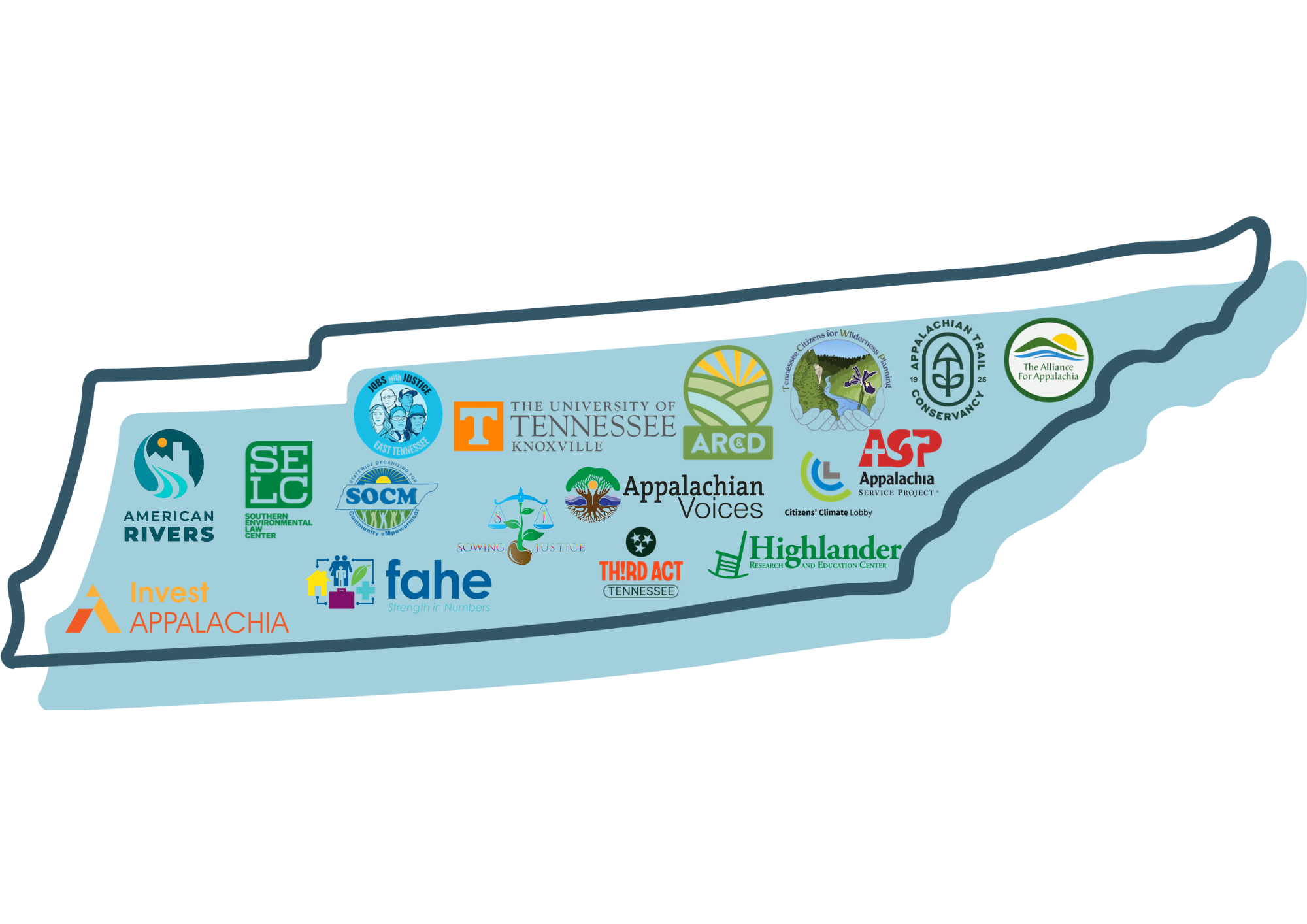
The Alliance for Appalachia connects grassroots organizations working to protect communities, land, and water across the region. Its Tennessee connections include member organizations such as Statewide Organizing for Community eMpowerment and the Highlander Research and Education Center. An endorser of the original flood resilience platform, the Alliance brings community organizing perspectives to regional advocacy.
Explore the Alliance for Appalachia →
American Rivers
American Rivers works to protect and restore rivers and advance policies that help communities live safely alongside them. American Rivers’ work connects healthy watersheds with flood resilience, while their public advocacy following Hurricane Helene supports stronger recovery assistance for communities in North Carolina, Tennessee, and the broader Southeast.
Learn more about America Rivers’ impact across the region →
Appalachia Service Project
The Appalachia Service Project (ASP) repairs and replaces homes for families across the region, bringing volunteers and local partners together to improve housing conditions. Their home repair and disaster recovery work helps thousands of households rebuild after major floods hit and addresses the longer-term challenge of maintaining safe, stable housing in rural communities.
Explore ASP’s volunteer program opportunities →
Appalachian RC&D Council
The Appalachian RC&D Council supports farmers and rural communities in Northeast Tennessee through conservation, agricultural assistance, and regional partnerships. Following Hurricane Helene, their farmer recovery and stream restoration efforts have connected agricultural recovery with healthier riverbanks and improved land stewardship across impacted watersheds.
Read about these post-Helene impacts →
Appalachian Trail Conservancy
The Appalachian Trail Conservancy protects the Appalachian Trail and its surrounding landscape through conservation initiatives and partnerships with local communities. Their work helps to connect healthy forests, watersheds, and outdoor economies simultaneously. Following Hurricane Helene, the Conservancy has supported trail rehabilitation and recovery partnerships in affected Southern Appalachian communities.
Appalachian Voices
With an office in Knoxville, Appalachian Voices combines community organizing, policy advocacy, and reporting on issues affecting Appalachian communities. As a coalition steering organization, it helps connect Tennessee perspectives with regional efforts to strengthen flood recovery and preparedness. Its broader work on land, water, and energy also informs discussions about resilient communities and essential services.
Learn more about Appalachian Voices →
Citizens Climate Lobby Tennessee
Fahe
Fahe’s Appalachian housing network includes Tennessee organizations working to expand affordable housing and strengthen communities. Following Helene, Fahe supported its network in Tennessee and Virginia as members responded to disaster needs. An endorser of the original flood resilience platform, Fahe connects housing expertise and community development with the challenges of long-term recovery.
Explore Fahe’s housing and community development network →
Highlander Research and Education Center
Institute for Climate and Community Resilience (UT)
The University of Tennessee’s Institute for Climate and Community Resilience (ICCR) connects research with community needs across Tennessee. Their work on flood and headwater mapping as well as risk communication helps to translate scientific information into practical planning, supporting partnerships that strengthen preparedness and resilience following major disasters.
Learn more about the ICCR’s statewide impacts →
Invest Appalachia
Invest Appalachia supports community-centered investment across Central Appalachia, helping connect local priorities with flexible capital and regional partnerships. Its climate resilience work examines the region’s exposure to flooding and other hazards and identifies opportunities to invest in infrastructure, businesses, and community assets that strengthen long-term resilience.
Read about Invest Appalachia’s climate resilience impacts →
Jobs with Justice East Tennessee
Southern Environmental Law Center
The Southern Environmental Law Center serves Tennessee through its Nashville office, bringing legal and policy expertise to environmental protection. SELC also collaborated in the release of ACLC’s Hurricane Helene recovery report, which examined experiences in East Tennessee and western North Carolina. That collaboration connects local recovery challenges with regional discussions about preparedness and government capacity.
Explore SELC’s Tennessee work →
Sowing Justice
Statewide Organizing for Community eMpowerment (SOCM)
Tennessee Citizens for Wilderness Planning
Third Act Tennessee
Help Build a More Flood-Resilient Tennessee
Are you working on flood recovery, watershed restoration, housing, emergency preparedness, or community resilience in Tennessee? Reach out to us to share your community’s experience, inform policy priorities, and strengthen regional advocacy.