Flood Resilience in Virginia
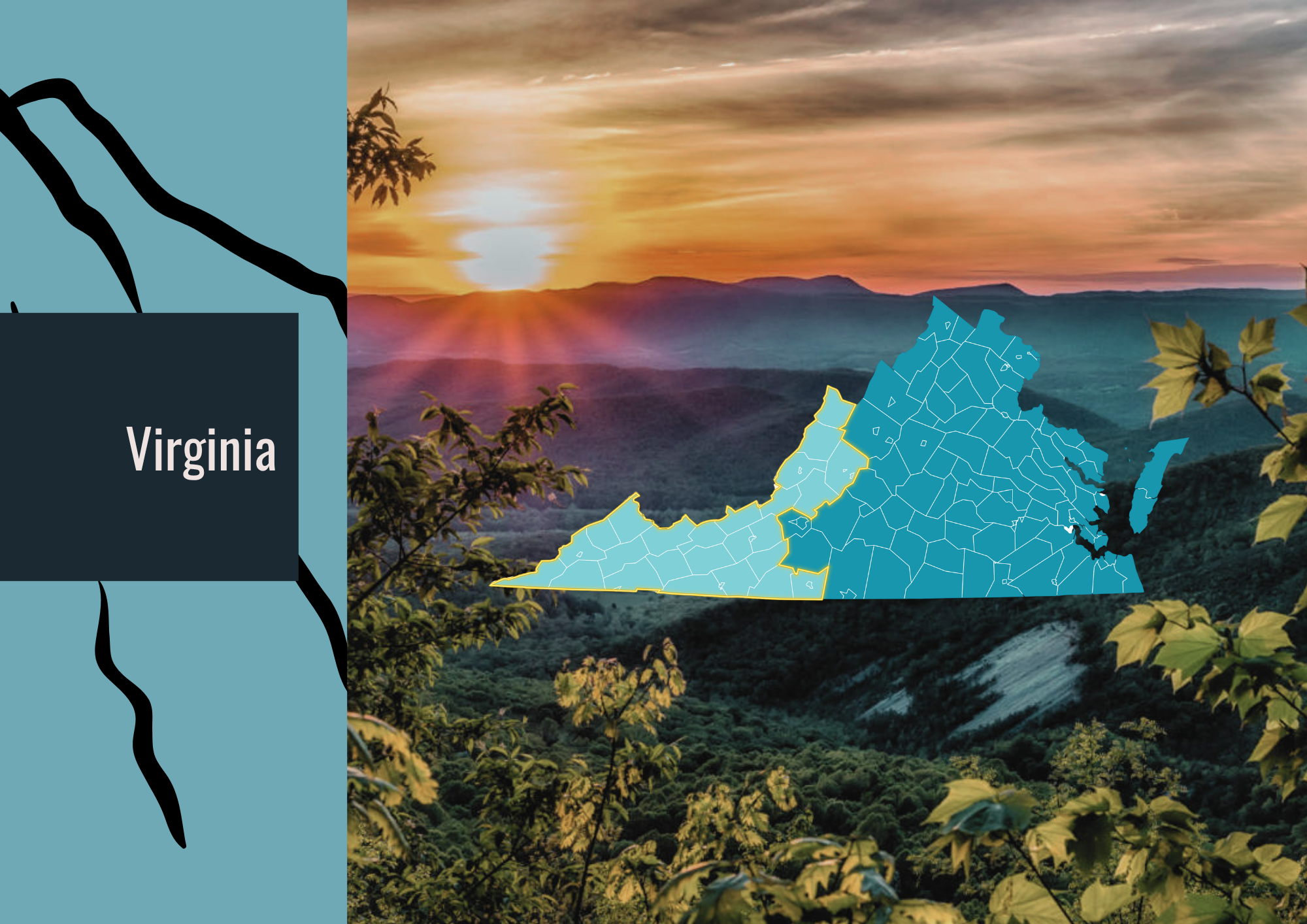
Appalachian Virginia’s communities have endured destructive floods while working to rebuild homes, restore infrastructure, and strengthen local economies. From the coalfields of Buchanan County to the mountain communities along the Clinch, Holston, and New rivers, homes and roads often follow narrow valleys where heavy rainfall can quickly overwhelm streams. The 2021 flooding in Hurley and Hurricane Helene’s impacts across Southwest Virginia in September 2024 illustrate the region’s exposure to both localized flash floods and widespread disasters that damage housing, transportation routes, and essential services.
Recovery requires restoring safe homes alongside the connections that allow families to remain in their communities. Helene washed out roads and damaged bridges across Southwest Virginia, while communities such as Damascus also experienced disruptions to water, power, and communications. Virginia’s housing recovery efforts include repairing and replacing damaged homes, with particular attention to households with limited incomes. Affordable repairs, accessible assistance, and safer rebuilding options are essential to helping residents recover without facing these costs alone.
Recovery also extends to the small businesses and outdoor recreation destinations that support Southwest Virginia’s economy. Damage to the Virginia Creeper Trail demonstrated how a flood can disrupt livelihoods well beyond the homes and businesses directly inundated. Local governments, utilities, and community organizations need sustained staffing, technical assistance, and funding to restore services and manage long-term recovery. Pairing these investments with watershed restoration, stronger flood monitoring, and resilient infrastructure can help Appalachian Virginia protect both its communities and its economic future.
Flooding in Virginia - At a Glance
ADD DATA
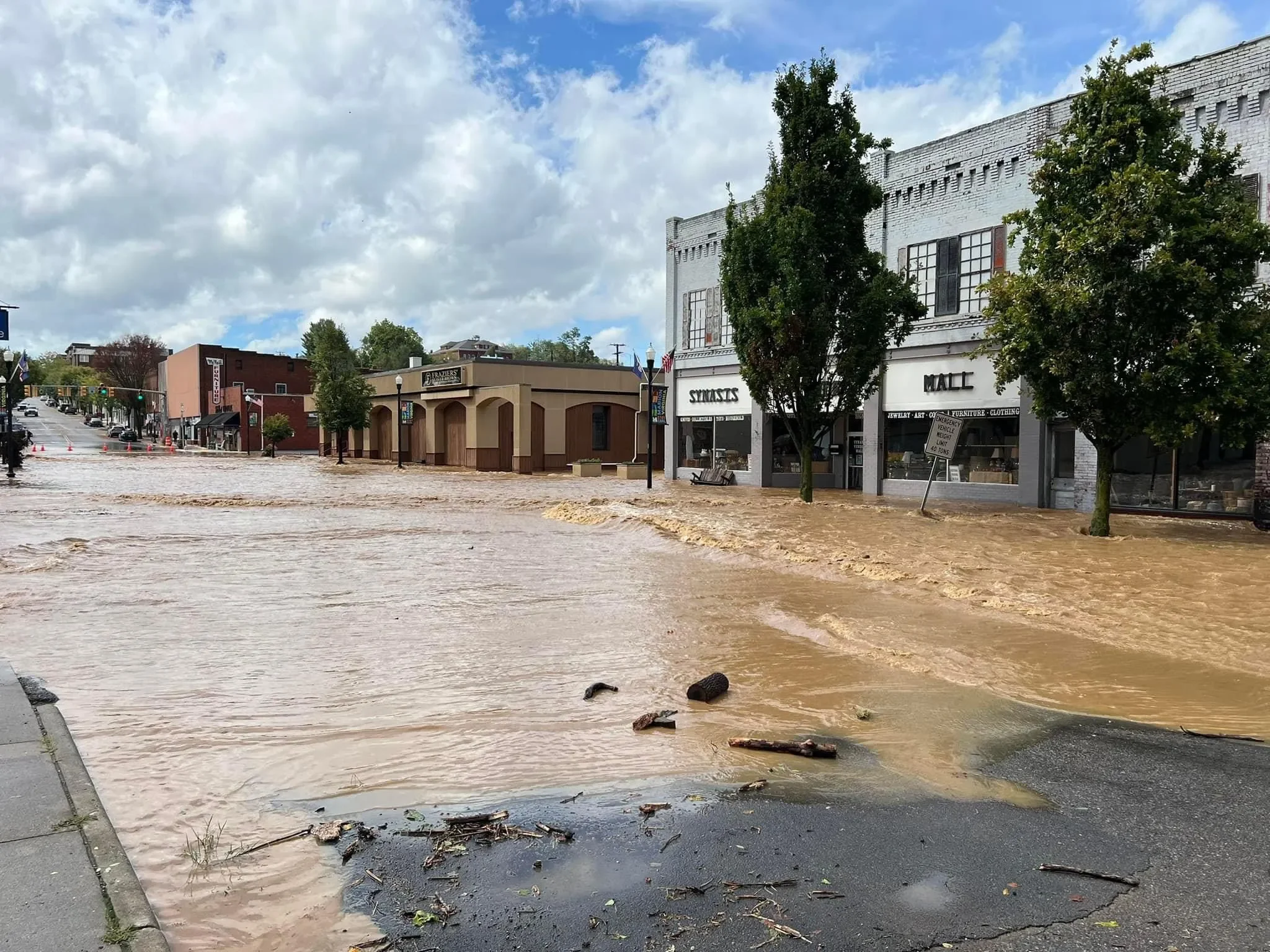
September 2024: Helene links housing recovery with economic recovery
Helene brought destructive flooding across Southwest Virginia, damaging homes, roads, bridges, and water systems. In Damascus, damage to downtown businesses and the Virginia Creeper Trail also disrupted the outdoor recreation economy. Recovery has required coordinated housing assistance, infrastructure reconstruction, and support for local businesses, showing why rebuilding must address both safe places to live and dependable sources of income.
February 2025: Winter floods renew infrastructure and public-health challenges
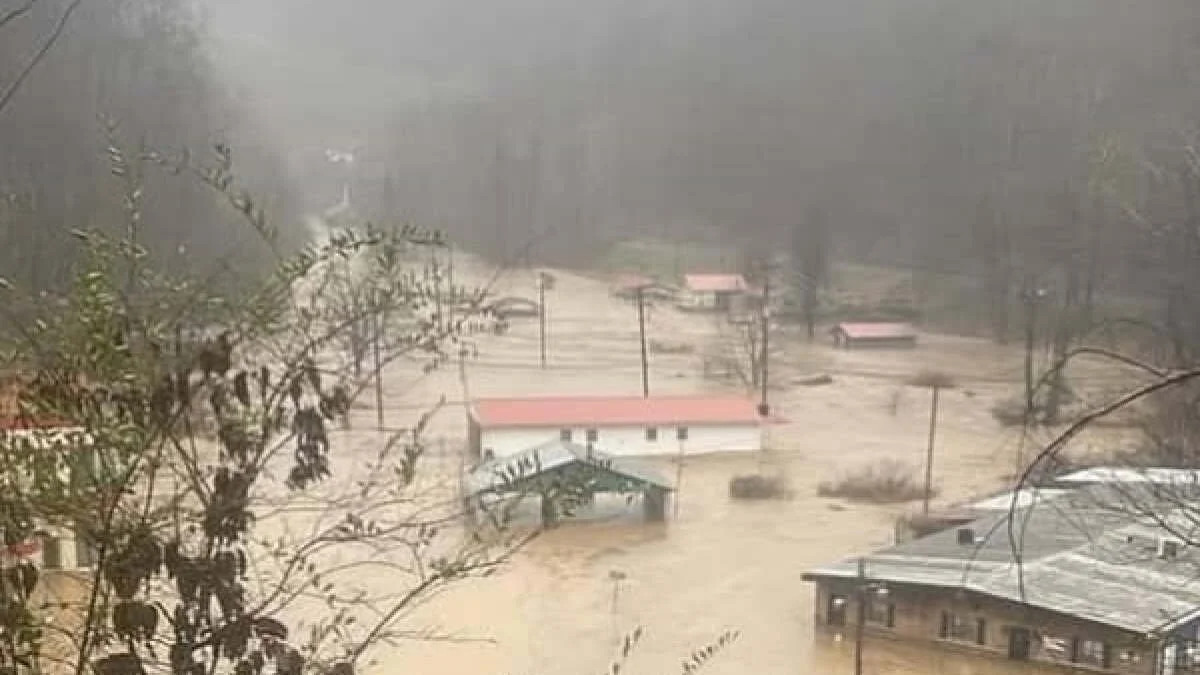
Flooding returned to Southwest Virginia, with severe impacts in Buchanan and Tazewell counties. Damaged roads isolated households, while sewer damage in Buchanan County and concerns about flooded private wells added public-health challenges. Recovery required restoring access, repairing utility systems, and helping residents safely clean up homes as regional agencies continued managing earlier disaster recovery efforts.
August 2026: Localized flooding damages Blue Ridge communities
Heavy storms brought flooding to Carroll and Patrick counties, including the Crooked Oak area of Carroll County. Reports documented damage to crops and personal property in affected communities. These localized events reinforce the need for prompt damage assessments, cleanup support, and clear information about recovery resources, even when flooding receives less attention than a major regional disaster.
Recent Floods and Recovery Challenges
February 2020: Clinch River flooding forces rescues in Richlands
Heavy rainfall caused widespread flooding across Southwest Virginia, with particularly severe impacts along the Clinch River in Tazewell County. Residents were rescued from flooded homes in Richlands, where cleanup began as water receded. The event demonstrated how river flooding can create simultaneous needs for evacuation, temporary shelter, damage assessments, and assistance restoring homes.
August 2021: Hurley faces a prolonged housing recovery
Flash flooding and mudslides devastated Hurley in Buchanan County, destroying or severely damaging homes and killing one person. FEMA approved Public Assistance but denied Individual Assistance for residents. With few affected homeowners carrying flood insurance, recovery depended heavily on volunteers, donations, and subsequent state relief. Delays in funding and application requirements prolonged the rebuilding process.
July 2022: Repeated floods strain Southwest Virginia communities
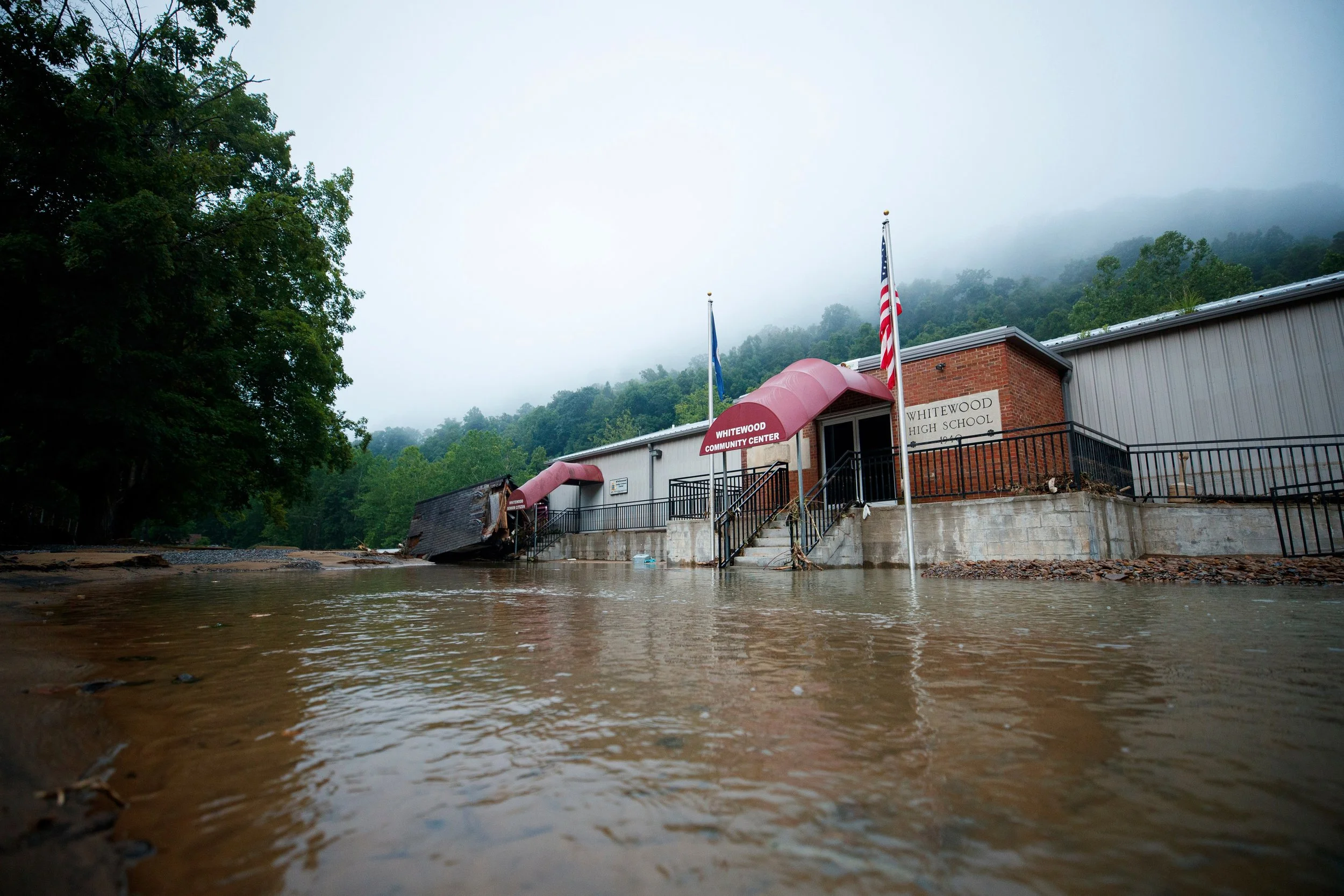
Flooding around Whitewood damaged homes, roads, and bridges less than a year after the Hurley disaster. FEMA again denied Individual Assistance, and families faced prolonged rebuilding amid funding gaps and uncertainty over floodplain mapping and permits. Later that month, flooding in Wise and Dickenson counties and Norton damaged roads and utilities, creating additional cleanup and repair needs across the region.
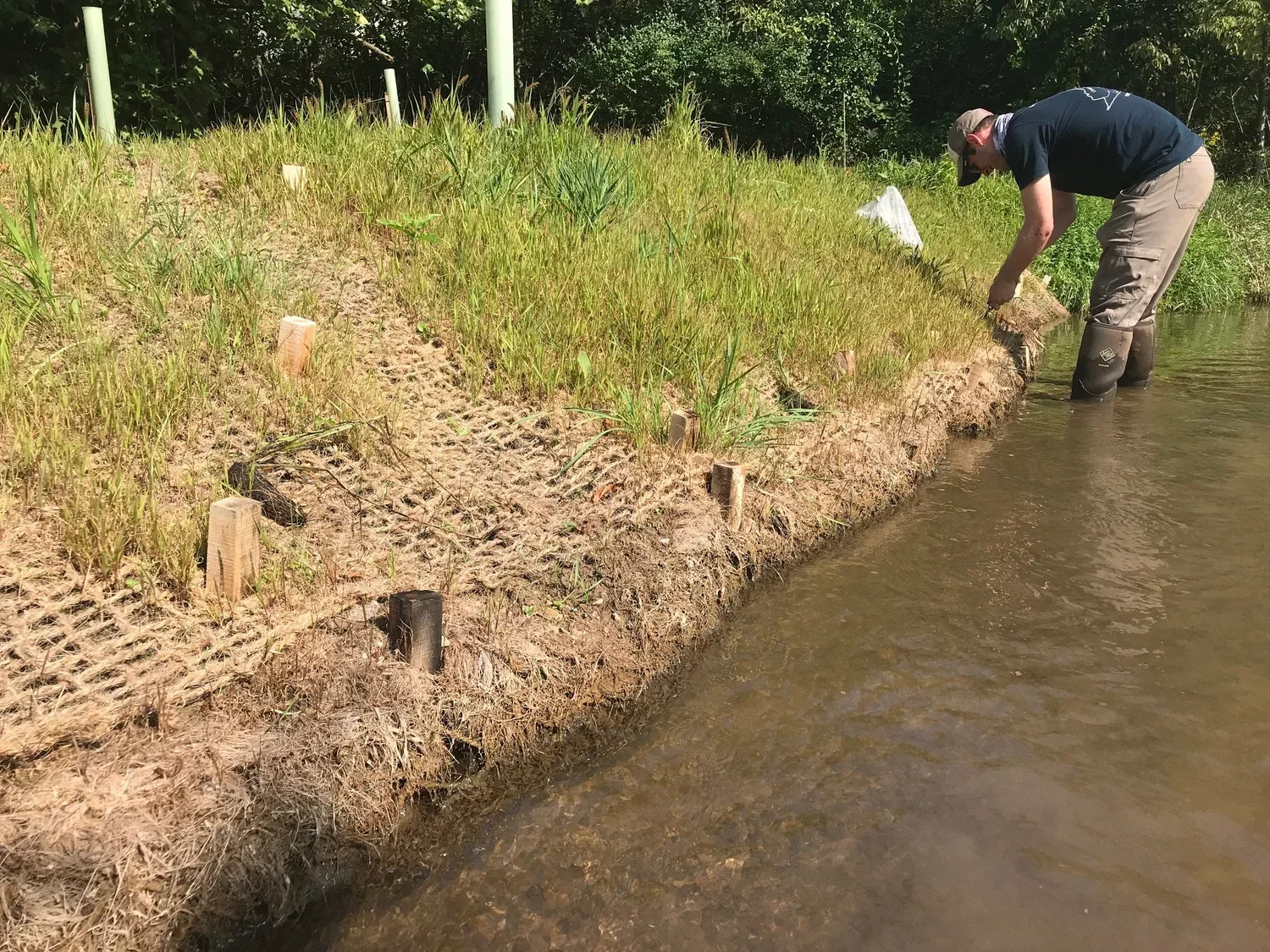
Credit: Canaan Valley Institute
Streambank restoration at Dunford Park in Tazewell combined bank grading, root wads, and native plantings along the South Fork Clinch River.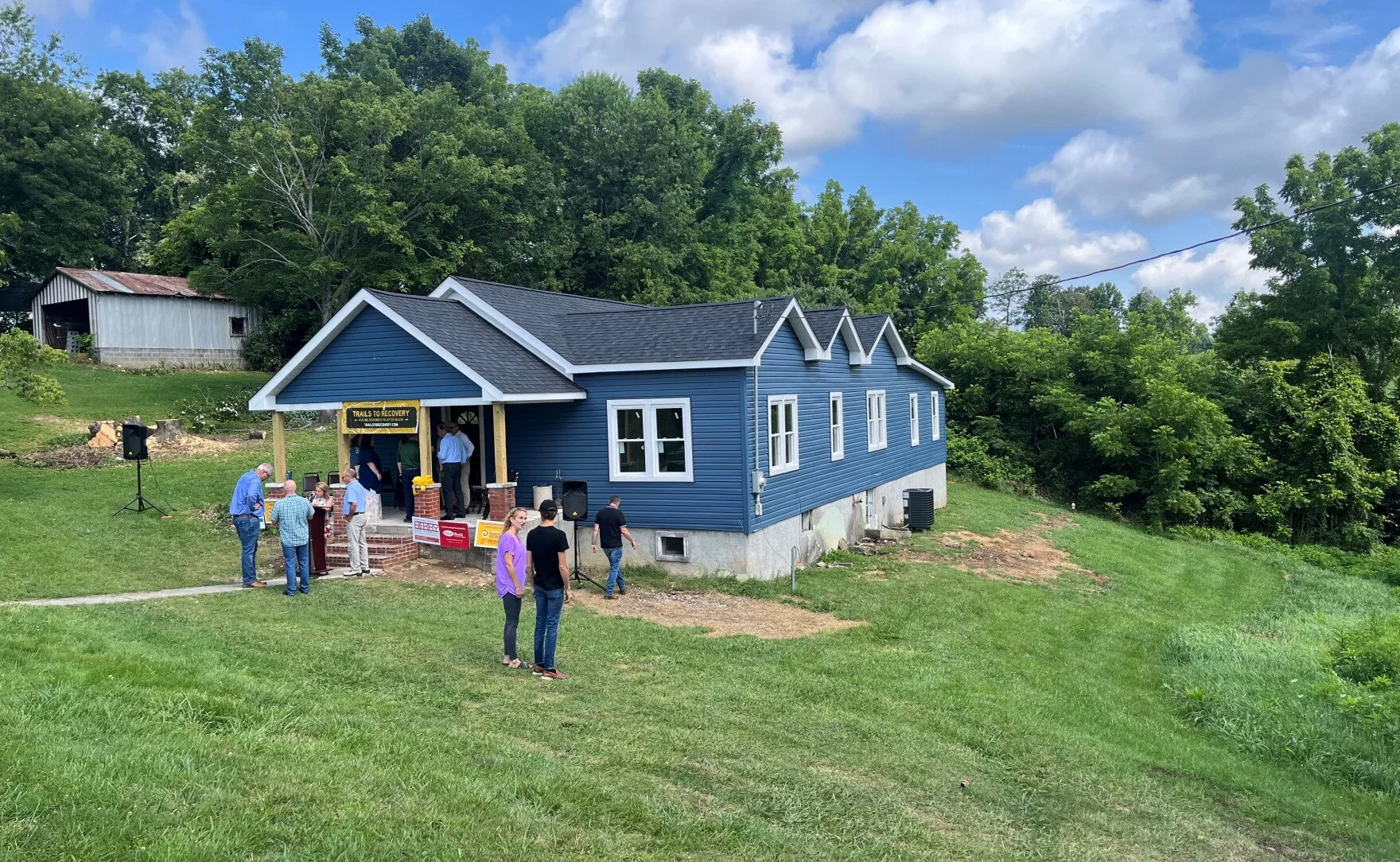
Credit: Roxy Todd/Radio IQ
The Phipps family celebrates the dedication of their replacement home in Washington County following Hurricane Helene.Putting Our Platform to Work in Virginia
Increase Local and State Capacity to Respond and Recover
Virginia’s Community Flood Preparedness Fund supports local flood planning, capacity building, and mitigation projects. In Buchanan County, funded efforts have included strengthening floodplain administration and advancing priorities identified in the county’s Flood Resilience Plan. Sustained investment in local staff, regional technical assistance, and grant administration can help Appalachian Virginia communities turn plans into projects while managing recovery and maintaining everyday services.
Relieve the Recovery and Mitigation Burden for Vulnerable Households
Virginia’s Southwest Virginia Housing Recovery Program supports repairing, rebuilding, and replacing homes damaged by Helene, with priority given to households with low and moderate incomes. Earlier state relief programs for Hurley and Whitewood also illustrate the importance of assistance when federal household aid is unavailable. Accessible applications, disaster case management, and affordable options for homeowners and renters remain essential to helping families secure safe, lasting housing.
Modernize Flood Mapping, Data, and Warning Systems
The Virginia Flood Risk Information System helps residents and local officials explore mapped flood hazards and make informed decisions about development and rebuilding. In Damascus, a new water-level gauge on Beaverdam Creek adds local monitoring following Helene. Expanding small-stream observations, updating flood maps, and strengthening warning systems can help mountain communities prepare, including ways to reach residents when power, cellular service, or internet access fails.
Invest in Nature-Based Hazard Mitigation
Friends of Southwest Virginia’s post-Helene Clinch River study is assessing streambanks, debris, floodplain connections, and nearby infrastructure to guide restoration and recovery. This work can help communities identify where watershed improvements would provide the greatest benefit. Pairing these assessments with floodplain restoration, wetland protection, streamside vegetation, and reforestation can strengthen resilience while protecting the waterways that support Southwest Virginia’s communities and outdoor recreation economy.
Resilience in Action
Helping Families Return Home
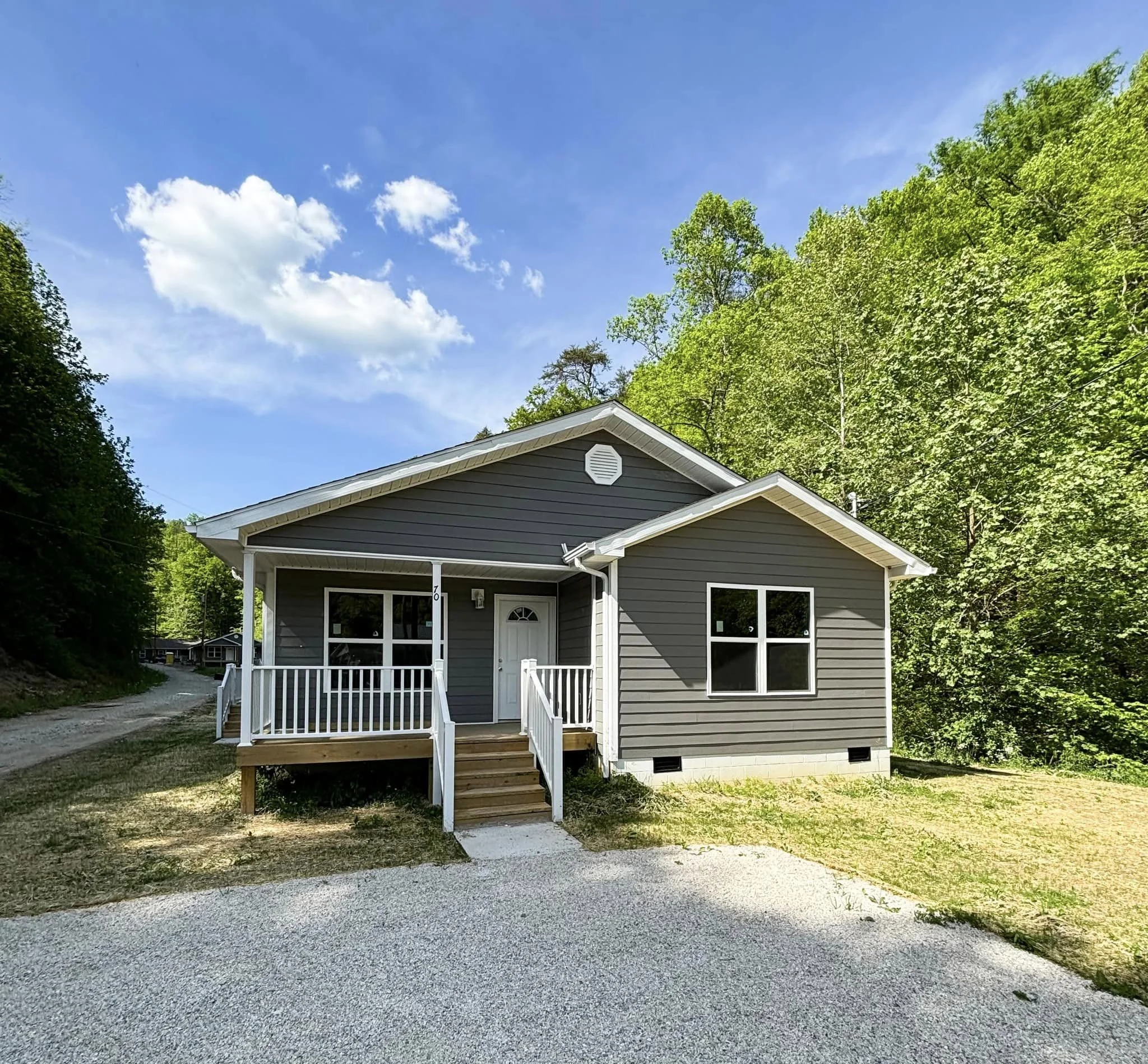
Trails to Recovery brings volunteers, community organizations, and funding partners together to repair and rebuild homes damaged by Hurricane Helene in Southwest Virginia. In Washington County, its work helped Taylor’s Valley resident Emily Phipps move into a replacement home after flooding destroyed her house and left the original site unsuitable for rebuilding. This approach connects housing recovery with local partnerships and safer places to live.
Explore Trails to Recovery’s rebuilding efforts →
Restoring Streams and Community Spaces
At Dunford Park in Tazewell, Canaan Valley Institute and its partners restored eroding banks along the South Fork Clinch River. The project combined bank grading, lower benches, root wads, and native plantings to stabilize the streambank and improve habitat beside community recreation areas. Completed in 2017–2018, it offers a local example of watershed restoration that protects public spaces while supporting healthier waterways.
Resources for Virginia
Virginia Department of Emergency Management (VDEM)
Provides statewide information on disaster preparedness, response, and recovery. Residents and community organizations can find flood safety guidance and disaster updates, while local officials can access information about emergency management programs and support.
Virginia Flood Risk Information System (VFRIS)
Helps residents, property owners, and local officials explore mapped flood hazards. Developed through a partnership between the Virginia Department of Conservation and Recreation and the Virginia Institute of Marine Science, the tool supports conversations about flood exposure, development, rebuilding, and mitigation.
Virginia Community Flood Preparedness Fund
Supports local and regional efforts to reduce flood impacts through planning, capacity building, studies, and mitigation projects. Local governments can explore funding information and program guidance for turning resilience priorities into projects, including approaches that protect and restore natural systems.
Virginia DHCD: Disaster Recovery
Provides information about federally funded long-term recovery efforts following Helene in Southwest Virginia. Residents and local governments can find recovery plans, housing program guidance, and information about investments intended to address unmet housing, infrastructure, and community recovery needs.
Virginia Voluntary Organizations Active in Disaster
Connects voluntary organizations working together on disaster response and long-term recovery. Residents, community groups, and potential volunteers can find disaster-specific resources, regional networks, and information about supporting recovery efforts, including those underway in Southwest Virginia.
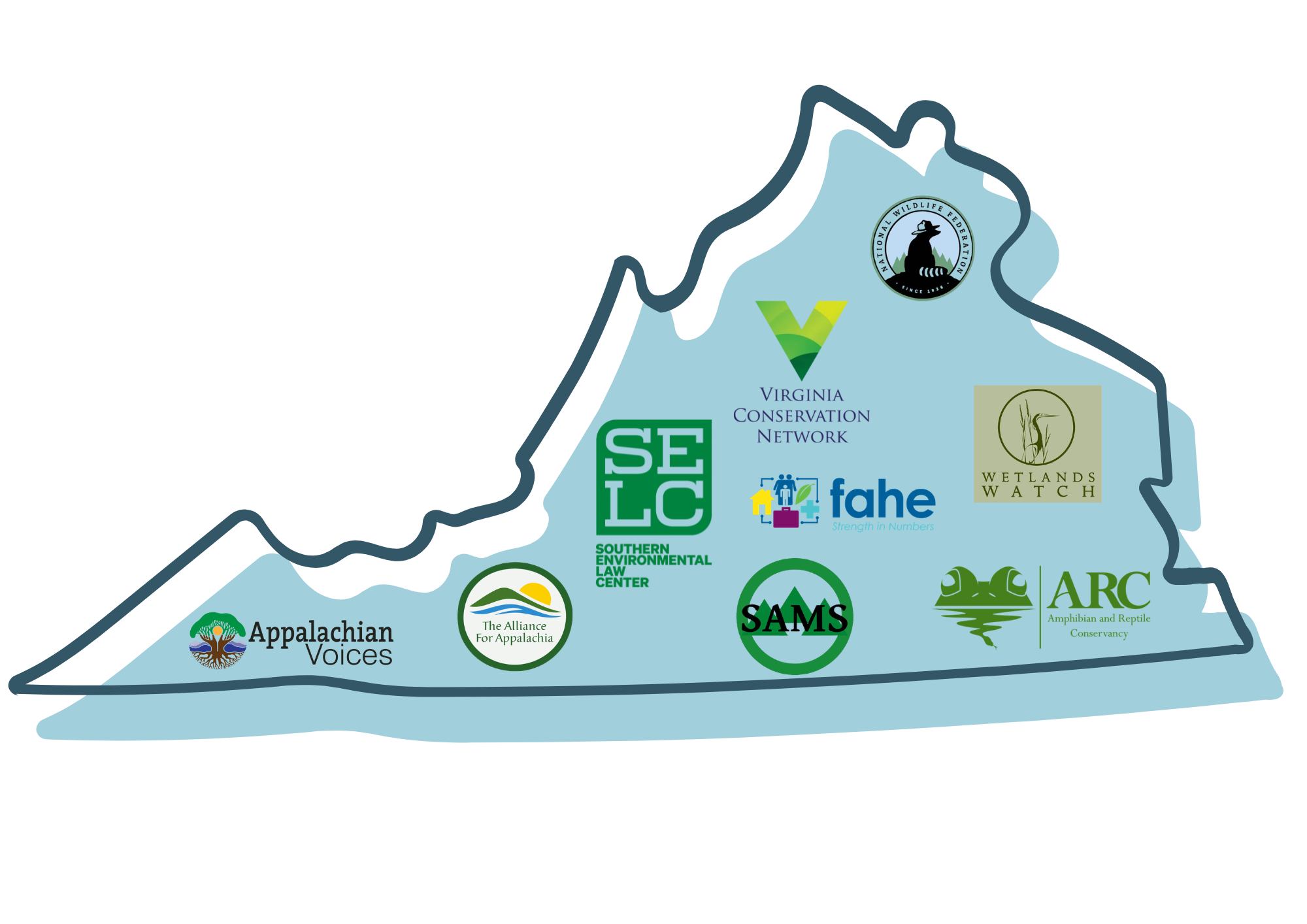
Coalition Connections in Virginia
Allegheny-Blue Ridge Alliance
Allegheny-Blue Ridge Alliance helps communities protect the natural resources of Virginia and West Virginia through mapping, research, and public engagement. Its Conservation Hub makes environmental information and project documents more accessible, supporting informed decisions about development, watershed protection, and the landscapes that shape community flood resilience.
Review the Alliance’s regional impacts →
Alliance for Appalachia
The Alliance for Appalachia connects grassroots organizations working toward a healthier, more just Appalachian region. The Alliance brings community organizing experience and coalfield perspectives to regional advocacy for stronger protections and investment in communities that have been impacted by flooding.
Learn more about the Alliance for Appalachia →
Amphibian and Reptile Conservancy
The Amphibian and Reptile Conservancy (ARC) protects and restores habitats for vulnerable wildlife, with fieldwork extending into Virginia. ARC brings a conservation perspective to nature-based mitigation, connecting the protection of streams, wetlands, and other habitats with the landscapes that help communities to manage floodplains.
Learn more about the Amphibian and Reptile Conservancy →
Appalachia Service Project
Appalachia Service Project (ASP) repairs and replaces homes for families across the region, bringing volunteers and local partners together to improve housing conditions. Their home repair and disaster recovery work helps households to rebuild after major floods hit and addresses the longer-term challenge of maintaining safe, stable housing in rural communities.
Check out ASP’s volunteer opportunities →
Appalachian Trail Conservancy
Appalachian Trail Conservancy protects the Appalachian Trail and the surrounding landscapes through conservation and partnerships with local communities. Their work connects healthy forests, watersheds, and outdoor economies. Following Hurricane Helene, the Conservancy has supported trail rehabilitation and recovery partnerships in impacted Southern Appalachian communities.
Appalachian Voices
Appalachian Voices connects environmental protection with economic opportunity and community resilience across Central Appalachia. In Southwest Virginia, their work includes helping communities to develop resilience hubs in Duffield and Dungannon, pairing local engagement with solar energy and battery storage. As a founding member of the Coalition, Appalachian Voices brings experience in community organizing, local resilience development, and mine reclamation, as well as state and federal policy advocacy and analysis.
Explore Appalachian Voices’ Southwest Virginia resilience hubs →
Chesapeake Climate Action Network
Chesapeake Climate Action Network advocates for policies that address climate change and protect communities across Virginia and the Chesapeake region. Their Federal Team brings together climate policy and advocacy experience, connecting efforts to reduce climate pollution with the need for equitable investment in community resilience.
Learn more about the Federal Team’s impacts →
Conservation Management Institute at Virginia Tech
Fahe
Fahe is an Appalachian housing and community development network whose members serve communities across Virginia and neighboring Appalachian states. Fahe supports locally-led solutions to housing challenges and has assisted their network following Hurricane Helene. Fahe’s work connects affordable housing, disaster recovery, and long-term community investment together to support impacted communities.
Learn more about Fahe’s support for rural housing programs →
Invest Appalachia
Invest Appalachia supports community-centered investment across Central Appalachia, helping connect local priorities with flexible capital and regional partnerships. Their climate resilience work examines the region’s exposure to flooding and other hazards and identifies opportunities to invest in infrastructure, businesses, and community assets that strengthen long-term resilience.
Read about Invest Appalachia’s climate resilience impacts →
National Wildlife Federation
Headquartered in Reston, the National Wildlife Federation (NWF) helps to guide the Appalachian Flood Resilience Coalition through their membership on the steering committee and as an original author of “Flood Policy in Appalachia.” NWF brings national conservation and policy expertise to the Coalition’s work, supporting approaches that help to strengthen community resilience while protecting and restoring the natural systems that reduce flood risks.
Coalition Connections in Virginia
New River Conservancy
New River Land Trust
SERCAP
Southern Appalachian Mountain Stewards
Southern Appalachian Mountain Stewards (SAMS) works alongside Southwest Virginia residents to address the environmental and community impacts of coal mining. Their organizing efforts include monitoring mining impacts, supporting mutual aid efforts, and building shared community resources through the Mountain Movement Hub in Big Stone Gap.
Learn about SAMS’s community organizing →
Southern Environmental Law Center
Headquartered in Charlottesville with an additional Virginia office in Richmond, the Southern Environmental Law Center (SELC) brings decades of legal and policy expertise to environmental protection across the US South. SELC has collaborated with the Coalition on several policy reports, contributing perspectives on governmental capacity, disaster recovery, and helping to prepare Appalachian communities for future storms.
Learn more about the Southern Environmental Law Center →
The Clinch Coalition
Virginia Conservation Network
Virginia Conservation Network (VCN) connects conservation organizations across the Commonwealth to advance environmental policy. Their flood resilience work includes support for Virginia’s Community Flood Preparedness Fund and the many local projects they support. Through various forms of advocacy and public education, VCN connects sustained investments in flood protection with healthier watersheds and stronger community preparedness.
Explore Virginia Conservation Network’s flood resilience work →
Wetlands Watch
Wetlands Watch helps Virginian communities strengthen flood resilience through technical assistance, funding guidance, and adaptation planning. Their work includes improving access to resilience funding for inland communities that have historically received far fewer resources. As a member of the Coalition steering committee, Wetlands Watch connects local capacity, nature-based solutions, and practical policy changes that help communities prepare for future flooding.
Help Build a More Flood-Resilient Virginia
Are you working on flood recovery, watershed restoration, housing, emergency preparedness, or community resilience in Virginia? Reach out to us to share your community’s experience, inform policy priorities, and strengthen regional advocacy.