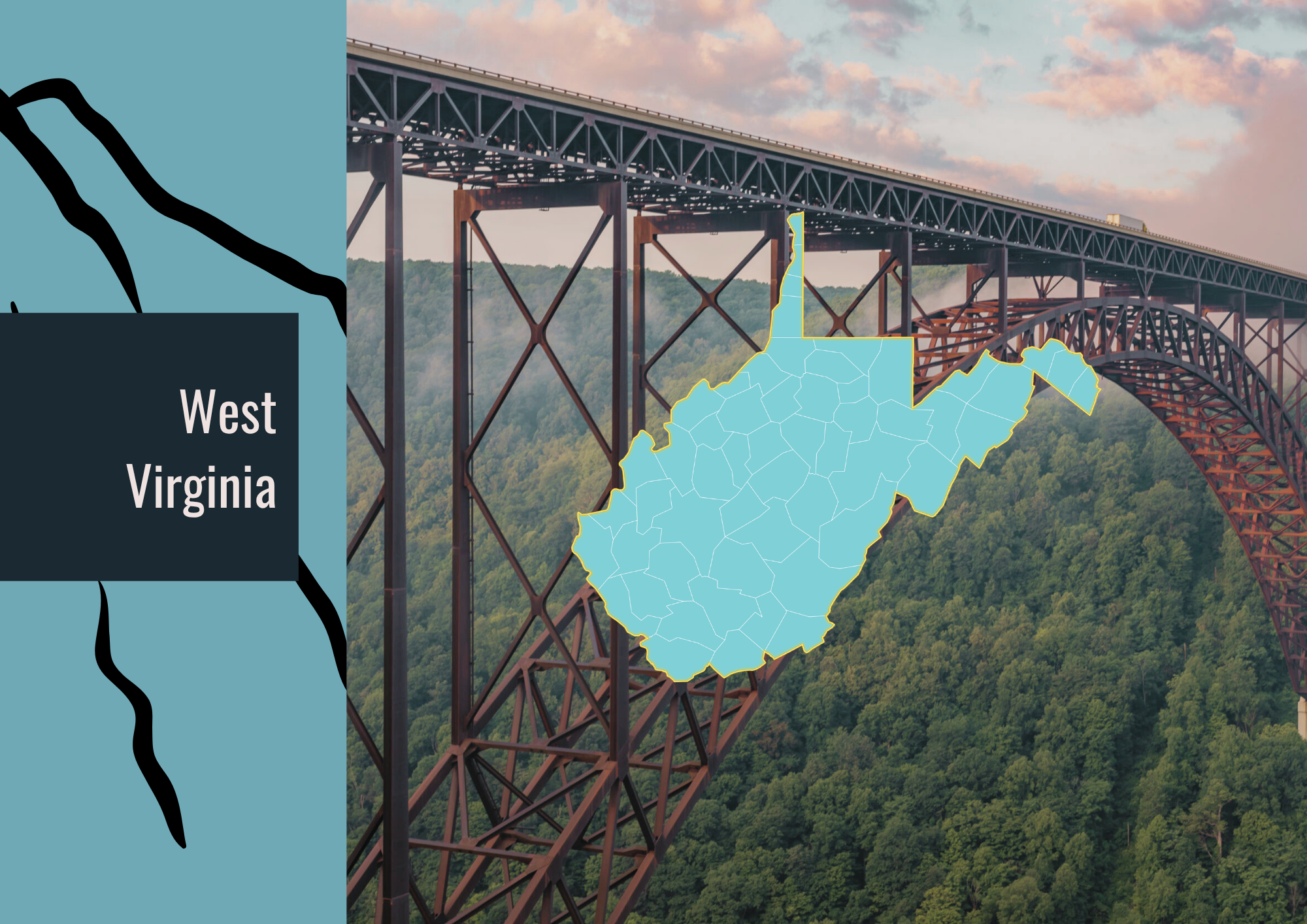
Flood Resilience in West Virginia
West Virginia’s communities have endured repeated floods while working to rebuild homes, restore essential services, and sustain local economies. From southern coalfield communities to the Northern Panhandle, many homes and roads follow narrow valleys where steep hillsides funnel rainfall into streams. Flooding can cut off entire neighborhoods when roads, bridges, and stream crossings are damaged, turning a housing emergency into a broader challenge of reaching jobs, schools, and medical care.
Recovery in West Virginia often requires restoring both a home and the route that connects it to the community. Many rural households depend on privately owned bridges or culverts, leaving families responsible for costly repairs when floodwaters wash away their only access. West Virginia Voluntary Organizations Active in Disaster and its partners have rebuilt private bridges alongside broader housing recovery efforts. Affordable repairs, safer crossings, and suitable places to rebuild are essential to helping residents remain in their communities.
Recovery also depends on the local governments, water utilities, volunteer organizations, and small businesses that serve West Virginia’s communities. These institutions must restore services and support residents while managing their own disaster losses. The state’s Flood Resiliency Plan provides a framework for reducing future damage, but putting it into practice requires sustained funding and local expertise. Investments in resilient water systems, transportation access, and community recovery organizations can help communities rebuild and prepare for the next flood.
Flooding in West Virginia - At a Glance
ADD DATA
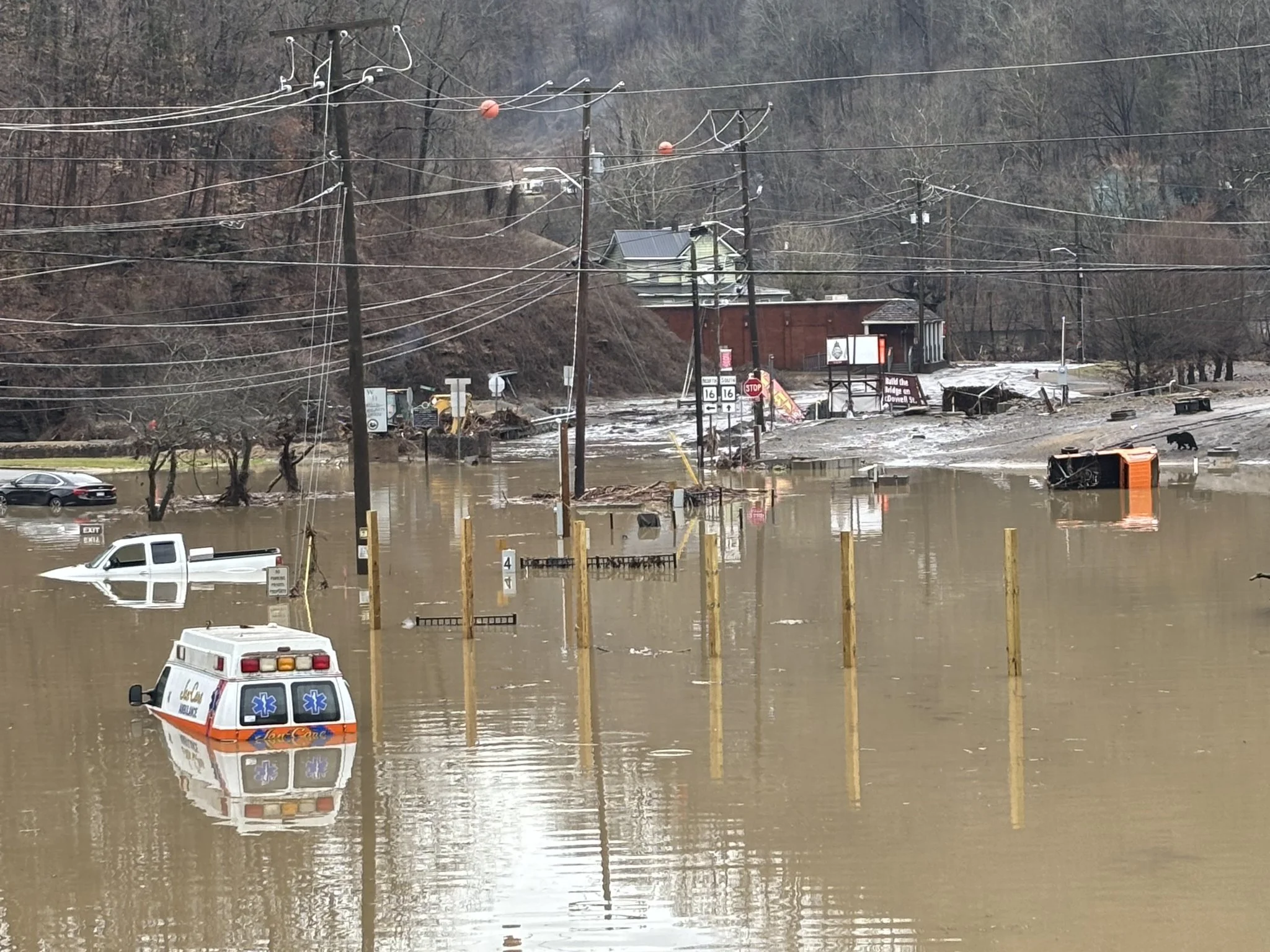
Recent Floods and Recovery Challenges
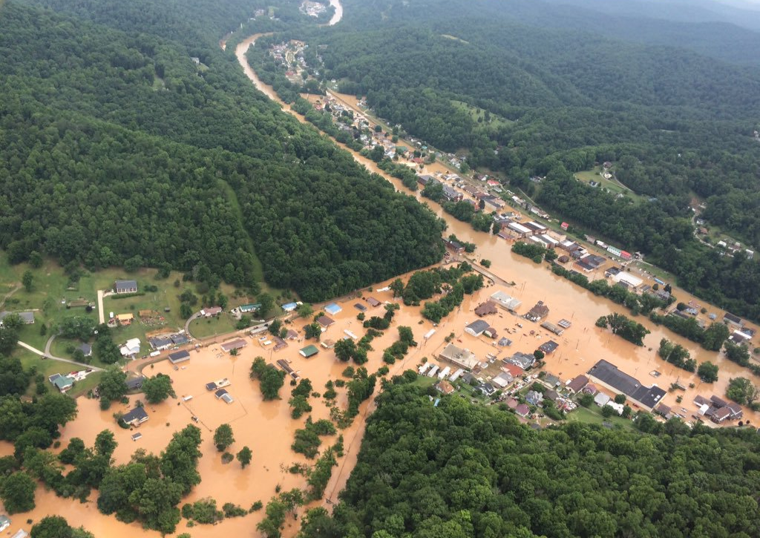
June 2016: A 1-in-1000-year flood devastates the valley
Historic flooding wreaked havoc across communities in central and southeastern West Virginia, killing 23 people and damaging homes, businesses, and public infrastructure. The disaster exposed lasting challenges in housing recovery and restoring private bridges that connect families to public roads.
February and June 2025: Different communities, recurring challenges
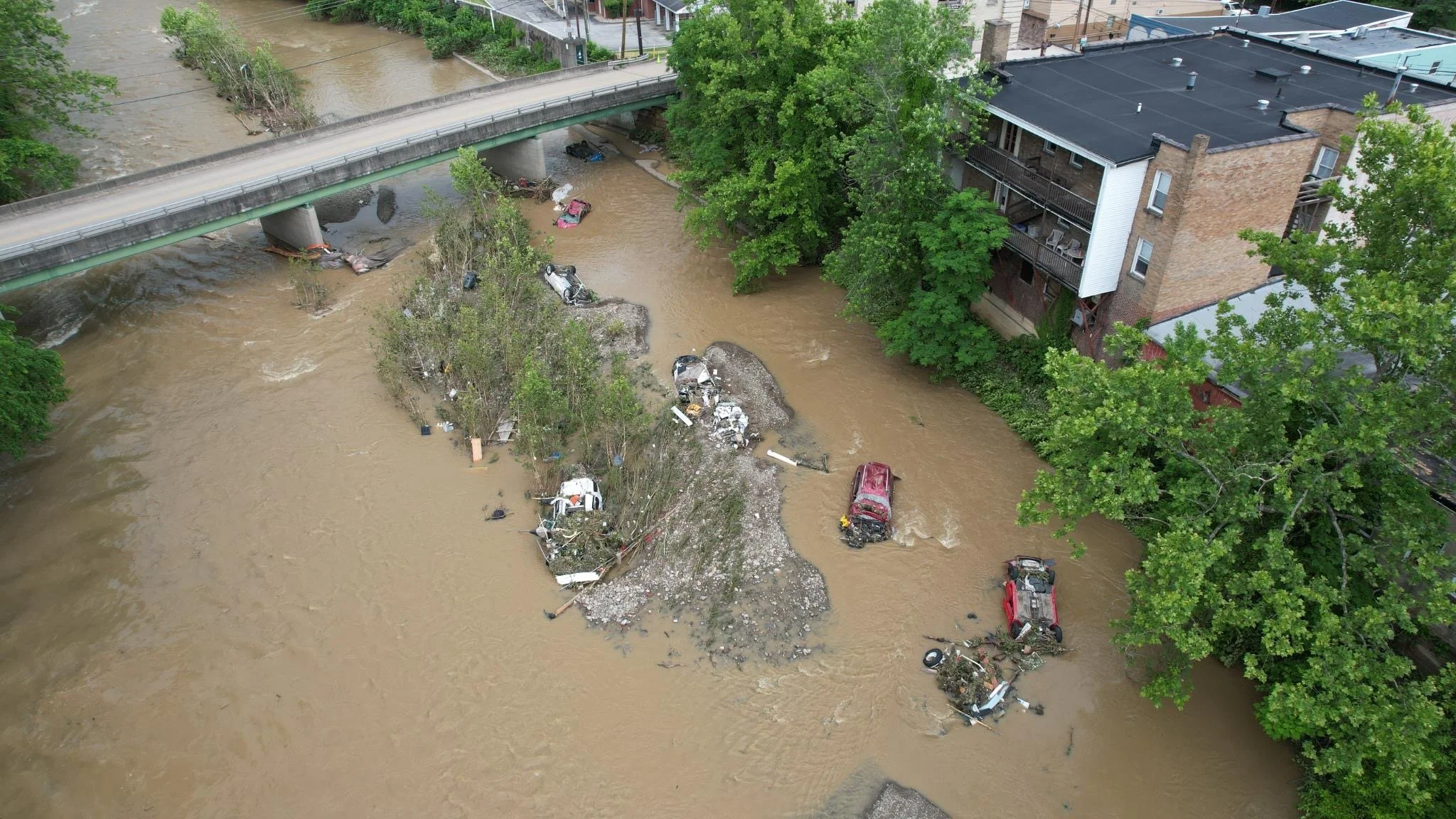
February flooding brought another recovery effort to southern West Virginia, including McDowell, Mercer, Mingo, and Wyoming counties. In June, rapid flash flooding struck Ohio and Marion counties, destroying homes and damaging infrastructure near Wheeling and Fairmont. These events reinforced the need for accessible recovery assistance and warnings that reach people quickly.
Summer 2026: Disasters before recovery is complete
July flooding disrupted communities in north-central West Virginia, including Lewis County, where school damage complicated students’ return to classrooms. Another round of storms in August brought flash flooding, mudslides, and water rescues while recovery from July remained underway.
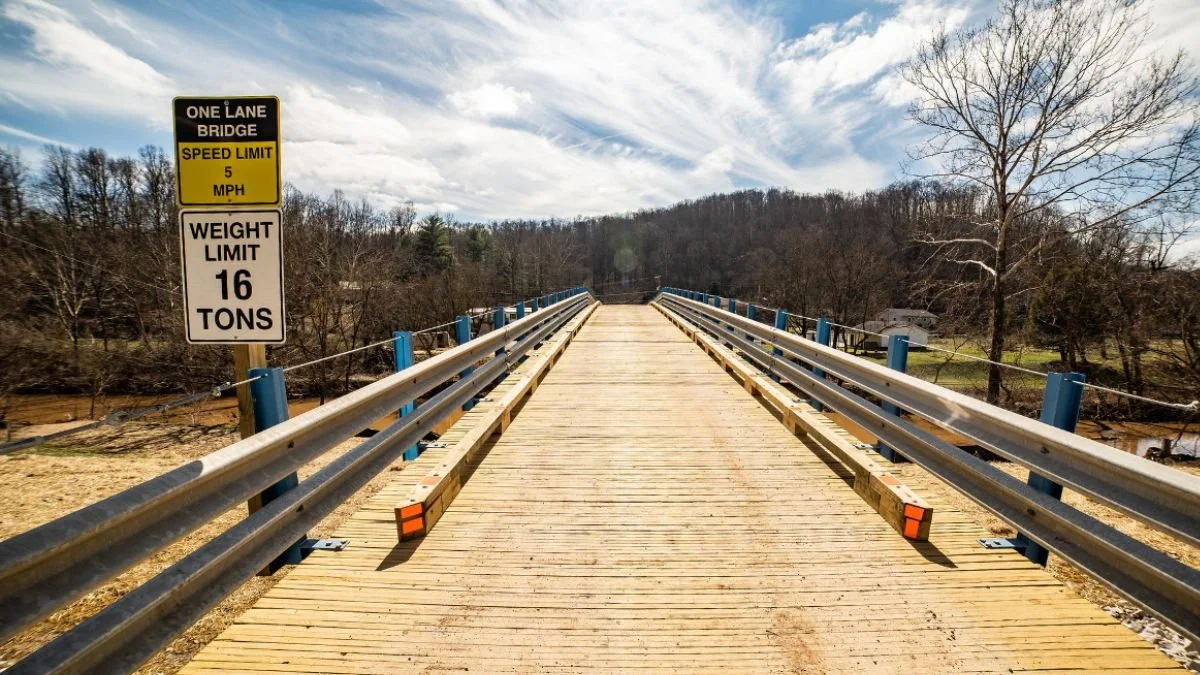
Credit: Office of Governor Jim Justice
The replacement Big Blue Bridge, near Clendenin, which restored safe access for 14 families following the 2016 flood.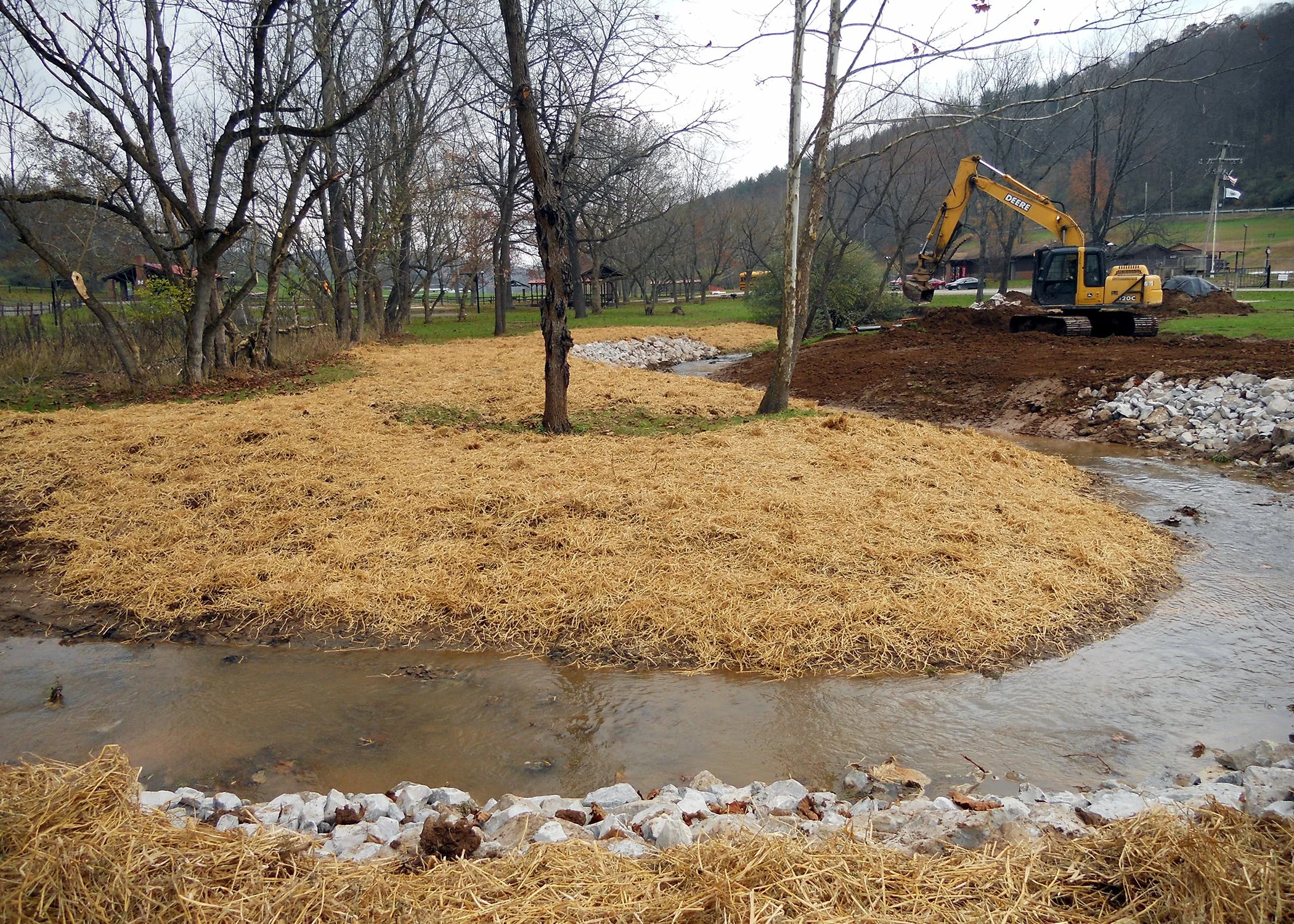
Credit: West Virginia Conservation Agency
The Stream Protection and Restoration Program is used to cover non-emergency situations that fall outside of the Emergency Watershed Protection program.Putting Our Platform to Work in West Virginia
Increase Local and State Capacity to Respond and Recover
West Virginia’s State Resiliency Office and Flood Resiliency Plan provide a framework for coordinating flood preparedness and reducing future losses. Turning that framework into local projects requires staff, technical expertise, and reliable funding. Small communities need support to develop mitigation projects, manage recovery grants, and maintain essential services. Sustained investment in local planning, emergency communications, and grant administration can help communities prepare before the next disaster.
Relieve the Recovery and Mitigation Burden for Vulnerable Households
West Virginia VOAD’s private bridge rebuilding work demonstrates why household recovery must include safe access as well as housing repairs. Working with public and nonprofit partners, the organization has restored connections between flood-damaged communities and schools, jobs, medical care, and emergency services. Expanding accessible recovery assistance, disaster case management, and affordable options to repair, rebuild, or relocate can help families recover without facing these costs alone.
Modernize Flood Mapping, Data, and Warning Systems
The West Virginia Flood Tool brings together flood maps, property information, and risk assessments to help residents and local officials understand flood exposure. These resources support decisions about development, rebuilding, and mitigation. Continued investment in small-stream monitoring, rainfall data, and reliable warning systems is essential across West Virginia’s narrow valleys, including ways to reach residents when power, internet, or cellular service fails.
Invest in Nature-Based Hazard Mitigation
The West Virginia Conservation Agency’s Stream Protection and Restoration Program includes planned projects using natural stream restoration designs. These efforts provide a foundation for improving stream health and addressing erosion alongside broader watershed protection. Expanding floodplain restoration, streamside vegetation, and reforestation of mined lands can strengthen flood resilience. Projects should reflect local watershed conditions and protect downstream communities, with long-term monitoring to assess their benefits.
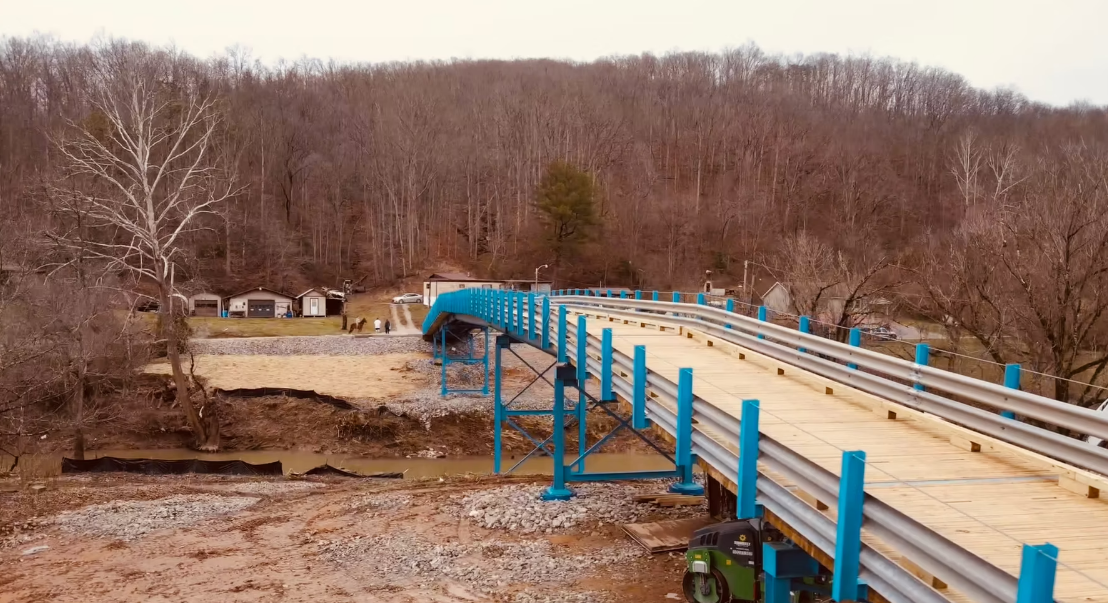
Resilience in Action
Reconnecting Families Through Bridge Recovery
West Virginia VOAD’s bridge program demonstrates why household recovery must include safe access. Working with public and nonprofit partners, the organization has used disaster recovery funding to rebuild private bridges. Near Clendenin, the Big Blue Bridge restored a vital connection for 14 families following the 2016 flood.
Explore WV VOAD’s bridge recovery work →
Turning Flood Information Into Local Decisions
The West Virginia Flood Tool helps residents, local officials, and planners explore flood hazards and property-level information. It provides a starting point for conversations about preparedness, development, and mitigation, alongside official flood maps and local knowledge.
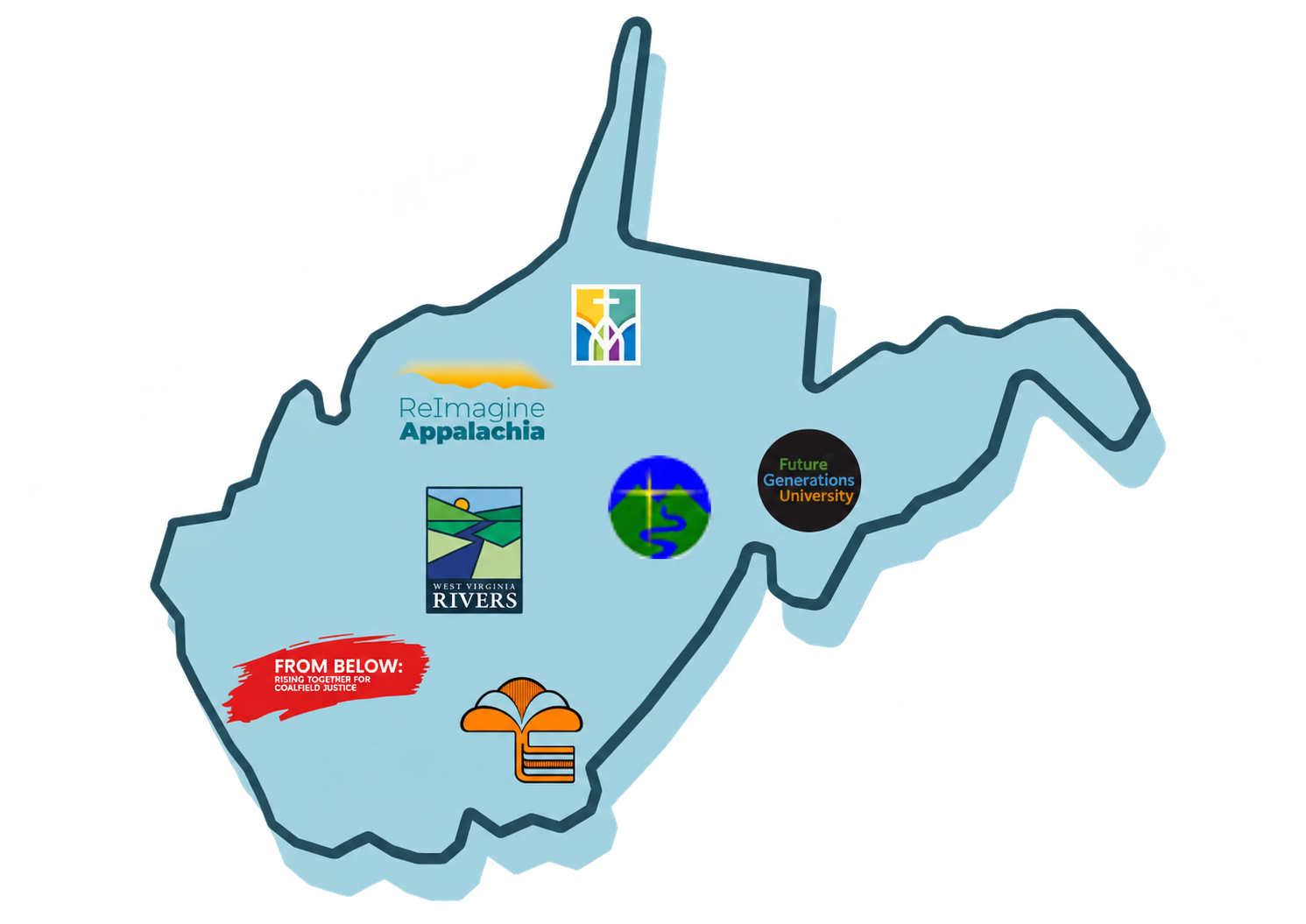
Coalition Connections in West Virginia
Catholic Charities West Virginia
Catholic Charities West Virginia supports disaster survivors through emergency assistance, case management, and long-term recovery services. Its work helps households address immediate needs and navigate the resources needed to rebuild their lives. This support connects flood recovery with housing stability and the needs of residents facing financial hardship.
Explore Catholic Charities West Virginia →
Christians for the Mountains
Christians for the Mountains connects faith and environmental stewardship in West Virginia and the wider Appalachian region. Through education and advocacy, they address the effects of mountaintop removal and other extractive activities on communities, land, and water. Their work encourages faith communities to participate in protecting the watersheds that sustain local communities.
Learn more about Christians for the Mountains’ environmental impacts →
From Below: Rising Together for Coalfield Justice
From Below is a faith-based organizing and advocacy initiative working alongside residents in West Virginia’s southern coalfields. Their work includes drinking water distribution and community water testing as well as advocacy for investment in aging water infrastructure, particularly in McDowell County. These efforts connect immediate community needs with long-term access to safe, reliable water.
Learn more about From Below’s efforts across southern West Virginia →
Future Generations University
Based in Franklin, Future Generations University supports community-led development through education, research, and partnerships. Their Appalachian work includes maple syrup production and forest-based livelihoods, connecting local economic opportunity with natural resources. Their broader approach emphasizes local leadership and communities’ ability to respond to changing conditions.
Explore Future Generations' University’s programs →
ReImagine Appalachia
ReImagine Appalachia connects flood resilience with land restoration, local employment, and economic opportunity. Their work highlights how restoring damaged lands and rivers can support safer communities and a stronger regional economy.
Explore ReImagine Appalachia’s resilience work →
West Virginia Rivers Coalition
West Virginia Rivers Coalition connects clean water advocacy with flood preparedness, watershed protection, and community health. Their priorities include sustained funding for the Flood Resiliency Trust Fund, stronger water infrastructure, protections for headwaters, investments in low-income communities, and nature-based solutions.
Explore West Virginia Rivers Coalition →
West Virginia Voluntary Organizations Active in Disaster
West Virginia VOAD brings voluntary organizations together to support disaster response and recovery. Their private bridge rebuilding work addresses a critical challenge for rural households: reconnecting homes to schools, jobs, medical care, and emergency services.
Resources for West Virginia
West Virginia State Resiliency Office
Coordinates statewide efforts to reduce disaster losses and improve recovery. Its website provides access to the West Virginia Flood Resiliency Plan, hazard mitigation planning resources, and an assistance locator to help communities identify available support.
Helps residents, property owners, and local officials explore mapped flood hazards for specific properties and communities. Public, Expert, and Risk MAP views support decisions about preparedness, development, and mitigation, with links to flood insurance and floodplain management resources.
West Virginia Emergency Management Division: Damage Survey
Allows residents to report property damage following flooding and other disasters, helping officials document community impacts. Completing the survey is separate from applying for financial assistance and does not constitute an application for disaster aid.
West Virginia VOAD Disaster Portal
Connects residents and organizations with disaster-specific information, damage-reporting links, and recovery resources. The portal also provides pathways for requesting help, volunteering, and coordinating community support through West Virginia’s network of voluntary disaster organizations.
Provides information and referrals for financial, health, household, and disaster-related needs. Residents can search for services online, dial 211, or text their ZIP code to 898-211 to connect with resources serving their community.
West Virginia DEP: Stream Partners Program
Supports local watershed groups through a cooperative state grant program. Community organizations can explore opportunities to strengthen watershed stewardship and develop projects that improve stream health and water quality, complementing broader flood resilience efforts.
Help Build a More Flood-Resilient West Virginia
Are you working on flood recovery, watershed restoration, housing, emergency preparedness, or community resilience in West Virginia? Reach out to us to share your community’s experience, inform policy priorities, and strengthen regional advocacy.